PIRATE'S COVE GAMING BOARD – pt.2

Marko Paunović, 22nd August 2020

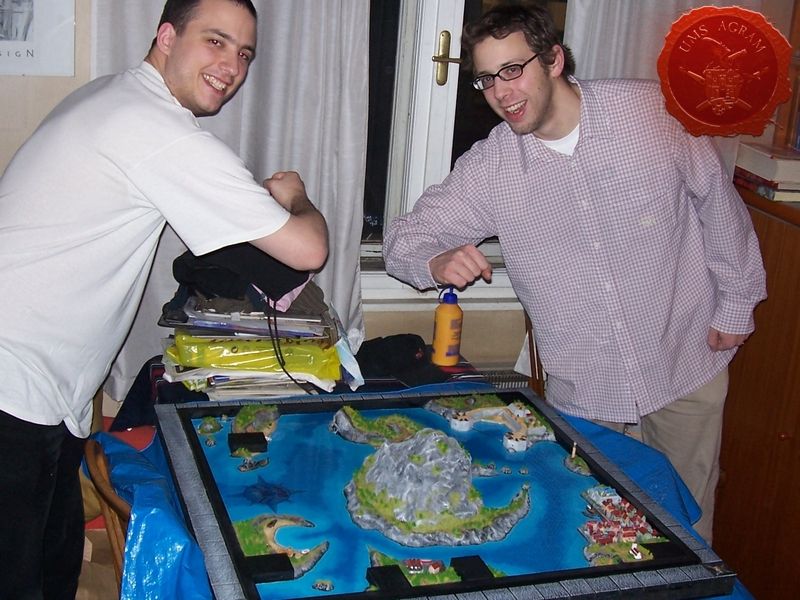
This article finds the second and final part of the step by step tutorial of the building process of a gaming board for a board game called Pirate's Cove that my club's (terrain workshop did a couple of years ago.
Click for enlarged picture

The Design:

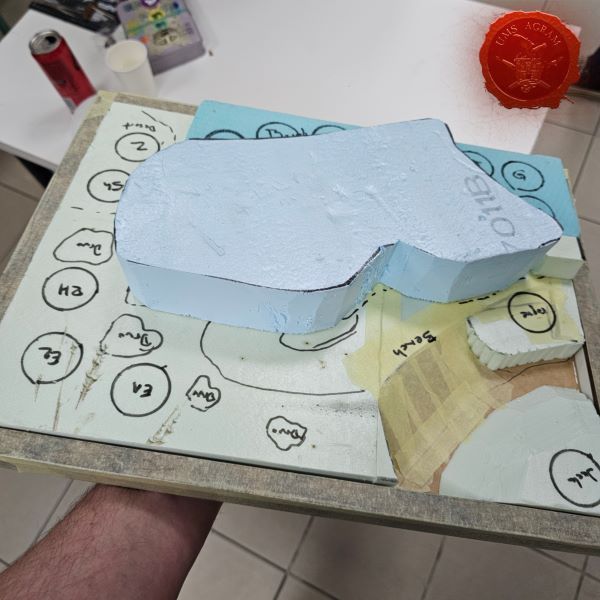
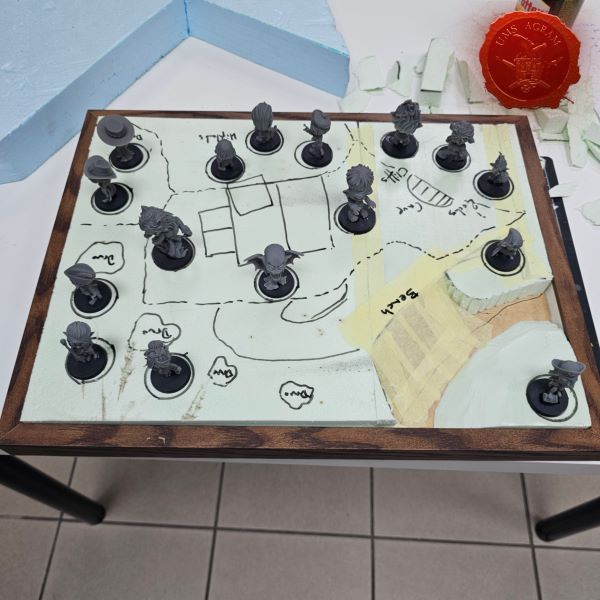
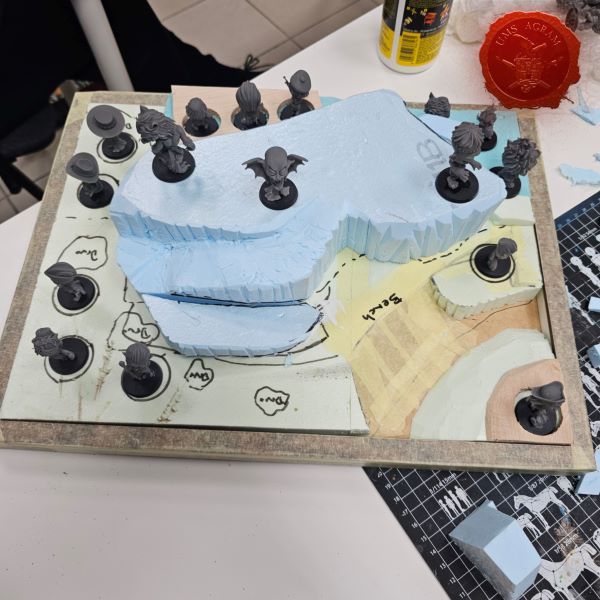
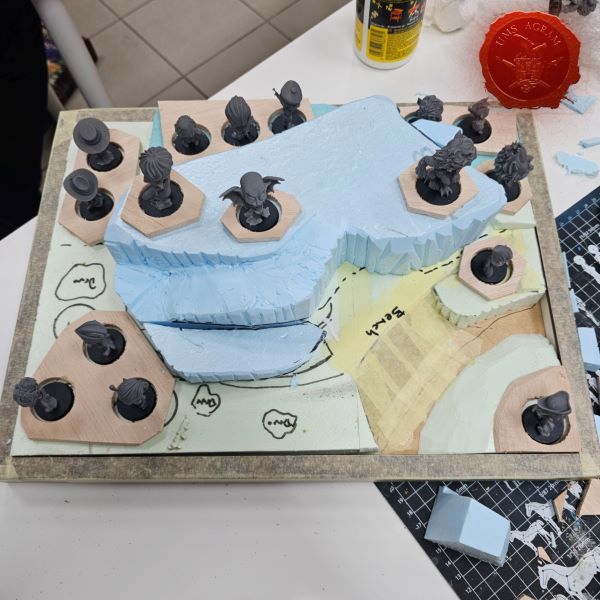
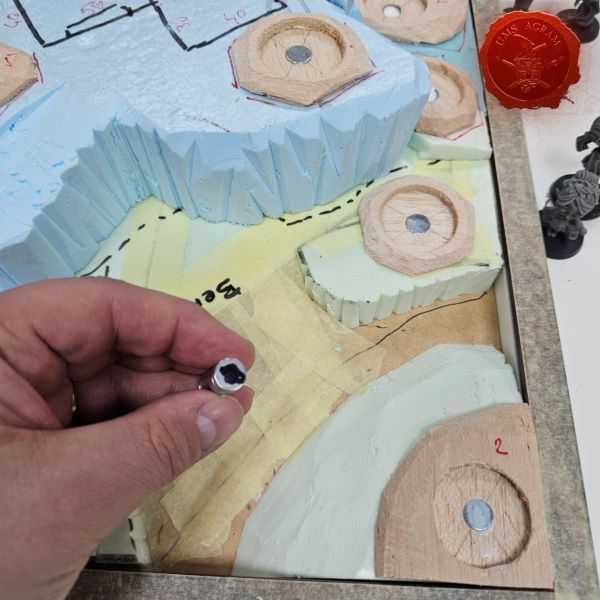
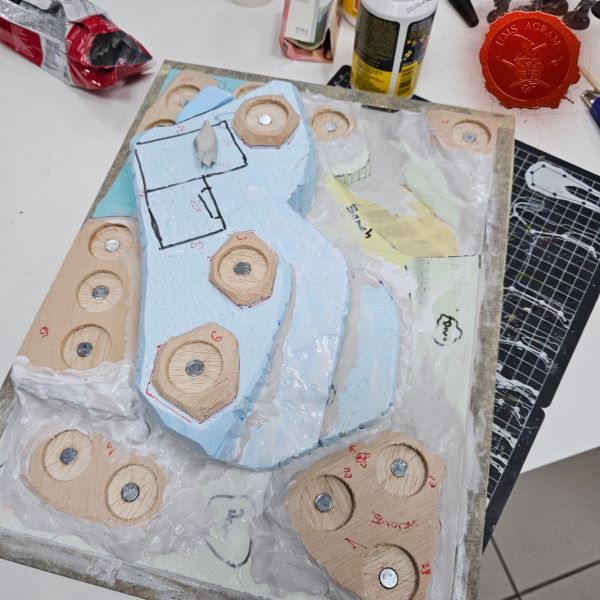
In the previous article, Andrija and I made the basic outline of the board with the frame, ran the wires underneath the board and made all the ships. The next thing, before the actual build, would be to have all the electronics installed so the terrain could be built around it. Before installment, we needed to check all the calculations and agree on the final layout of all the features.
Click for enlarged picture

Electronics:

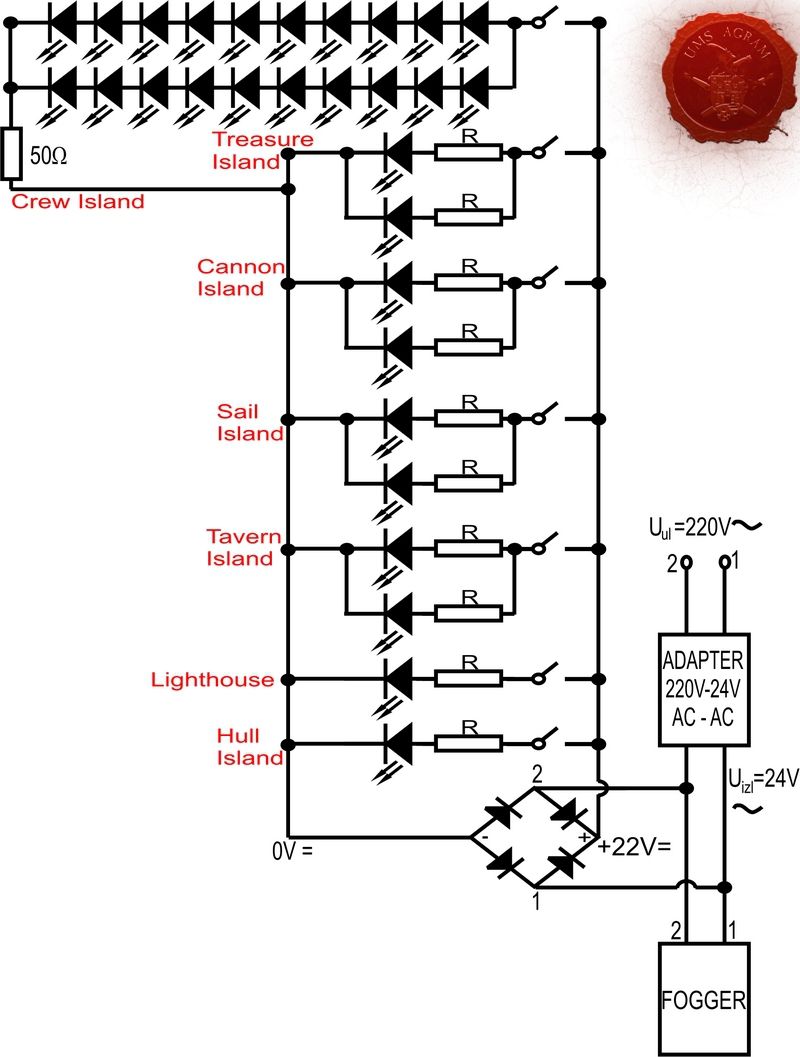
In this model we decided to fit the smoke generator (hereinafter - fogger), and in every house an LED would be built in order to evoke the effect of burning lamps or candles. As the power source for the board we chose the electricity from the grid which meant 220V AC current (in Croatia). Therefore the alternating current must be mentioned here, since the fogger is powered via the adapter from the city grid. The adapter which goes with the fogger changes AC 220V current to 24V AC also. (NOTE: If the device transforms the current from 220V AC to 24V DC for example, it is then called the transformer - author's note).

The advantage of using city power grid (ie adapters and transformers) is that there is no concern about the consumption of electricity, namely, no batteries which could be spent.

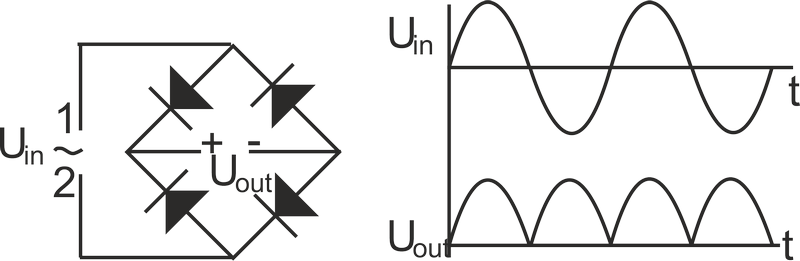
Since the LEDs are working exclusively on DC, it was necessary to connect the LED circuitry in parallel with the fogger. Apart from the fogger branch, we needed to extract one branch to go through Graetz bridge which would be connected to all the LED circuitry. As explained in a previous issue, Graetz combination (ie single-phase full-wave rectifier) only corrects the voltage, but it does not ''straighten'' it. In order to straighten the voltage it is necessary to add an RC circuit. In this gaming board, that was not necessary to make because the local electrical grid works on frequency f = 50 Hz (meaning that the voltage is sinusoidal and makes 50 cycles per second). Using a single-phase full-wave rectifier that frequency doubles, so the frequency is 100Hz. The human eye does not notice the higher frequency of 20Hz. What does this mean exactly? That our LED will be flashing 100 times per second, but you will not notice it. Indeed, it will look as if the LED were constantly lit. It should be noted that Graetz circuit losses of approximately 10% and that voltage 24V DC will therefore be around 22V DC.
Click for enlarged picture

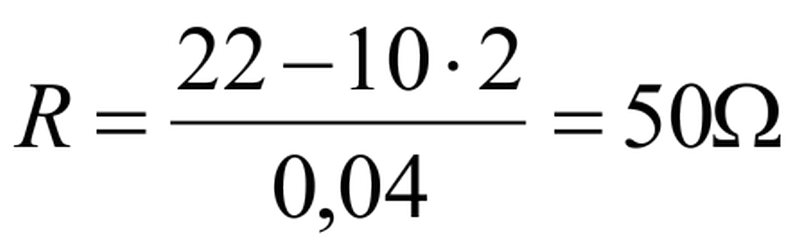
The calculation of the LED circuits is relatively simple because there is a lot of repetition. Each branch (except Crew Island) looks the same and as far as the resistance calculation runs as follows:
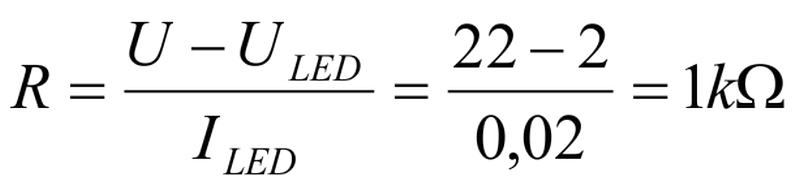
Click for enlarged picture

and for Crew Island:

Click for enlarged picture

Here we calculate the electrical power in each branch :

Click for enlarged picture

which is relatively high power. It is no surprise when one considers the fact that the resistor reduces the voltage for 20V! This information is important when choosing the resistor, because when you buy it, you will need to emphasize that you are looking for such a powerful resistor. For the Crew Island two resistors of 50Ω and 0.04 W are required

Click for enlarged picture

This result is also not surprising because the resistor reduces the voltage for only 2V, and through it flows a current of 20mA.

We now return to the beginning - the adapter, which in this case has Imax=1200mA. The next step is to add all the currents in the branches.
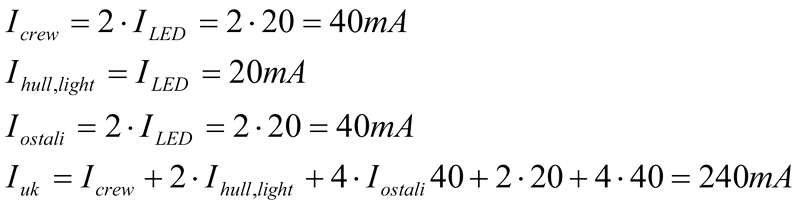
Click for enlarged picture

So, to run all the LEDs you need 240mA which leaves 960mA for fogger to work, which after testing with a multimeter showed that is enough. If it were not,the calculation should be revised.

Finally, the elements needed for this project are:
• Fogger (with adapter AC 220V → 24V AC)
• 2 pairs of male-female Jack's
• Graetz bridge
• 7 switches
• 10 R = 1kΩ resistor R, P = 0.5 W
• 2 R = 50Ω resistor
• 27 LEDs (yellow, 3mm)
• 2 LEDs (red, 5mm → Treasure Island, the eyes of the skull)
• 1 LED (red, 3mm → Tavern Island, the upper floor tavern)
• a minimum of 10m of wire.

The Continuation of the Build

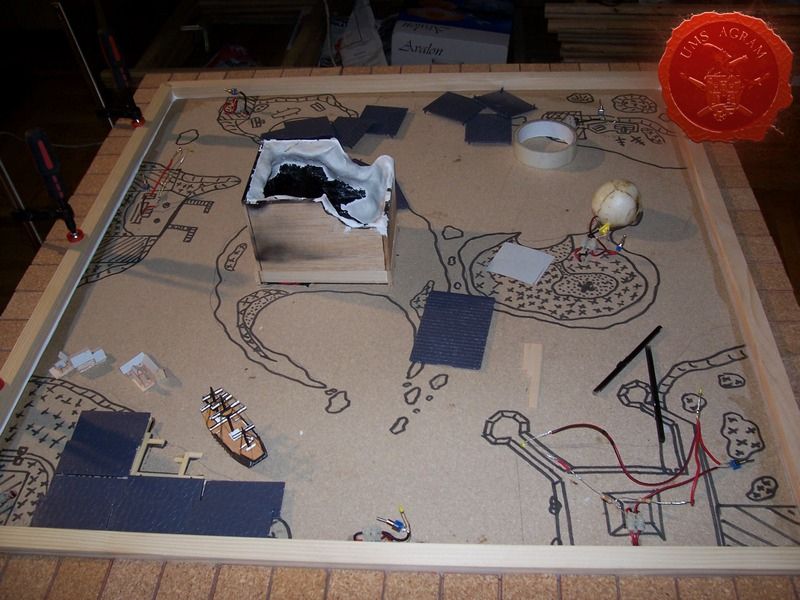
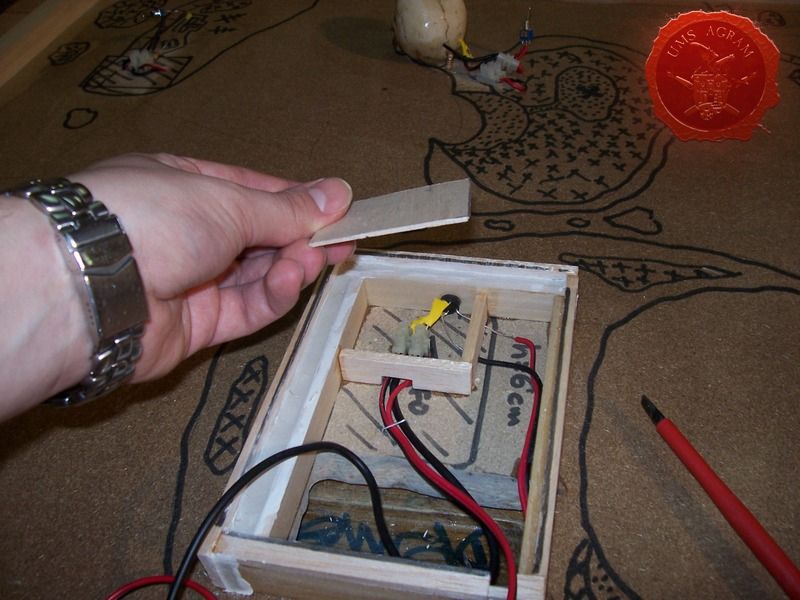
Once the electronics were installed and the Graetz bridge was prodected inside a box that was made from balsa wood, we did a test run. The LEDs indeed did not flicker, the volcano produced the fog and we could proceed with the terrain build.
Click for enlarged picture

Click for enlarged picture

Click for enlarged picture

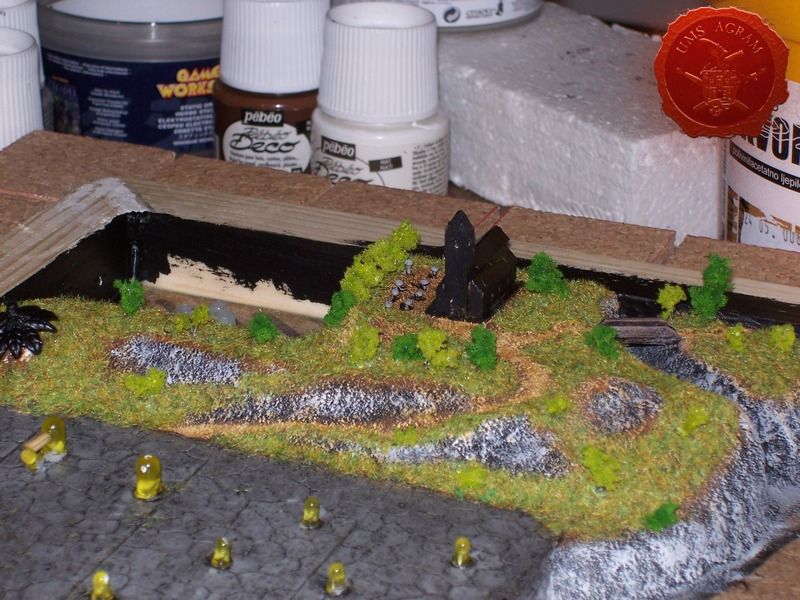
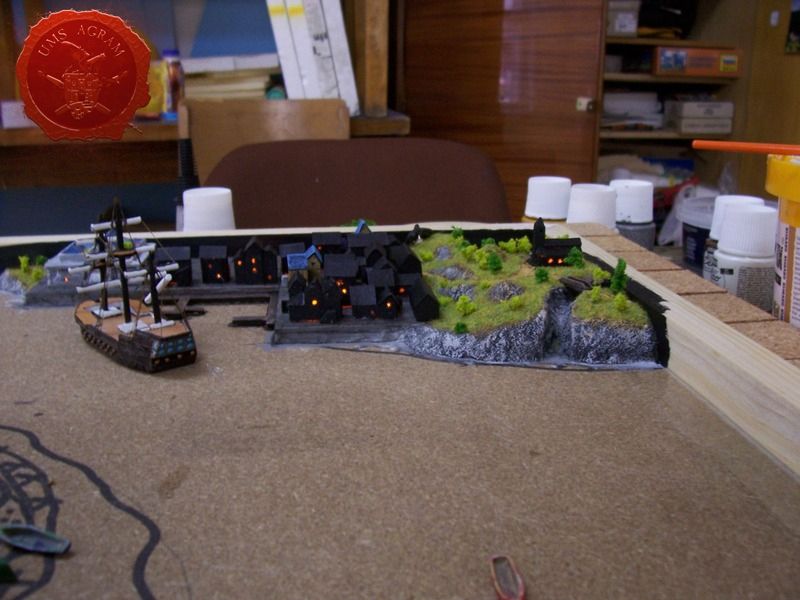
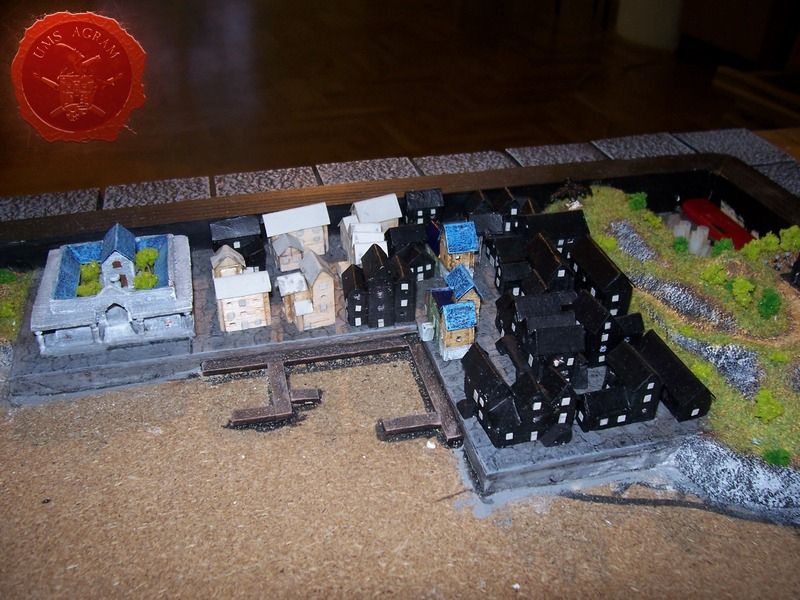
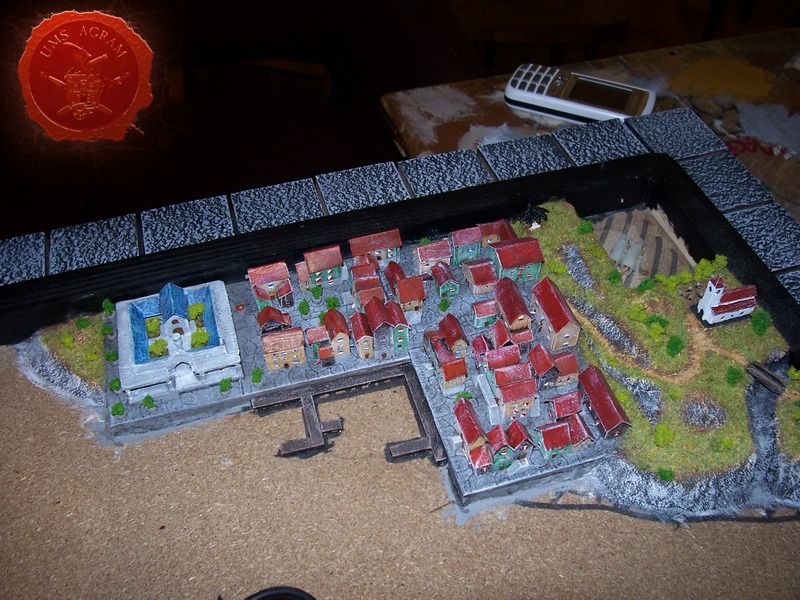
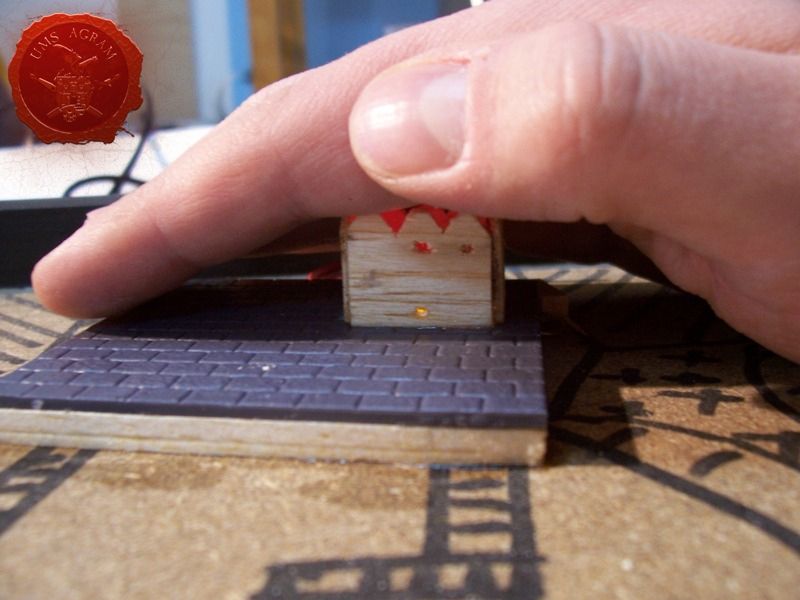
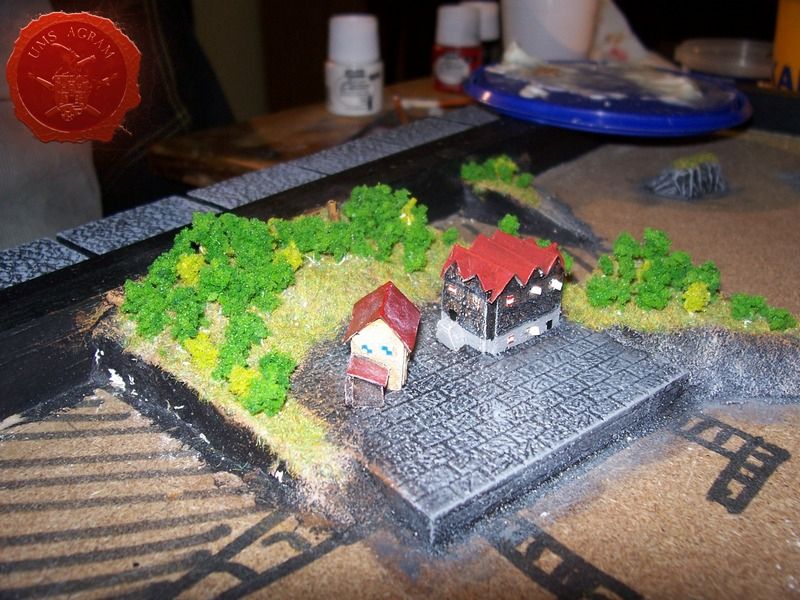
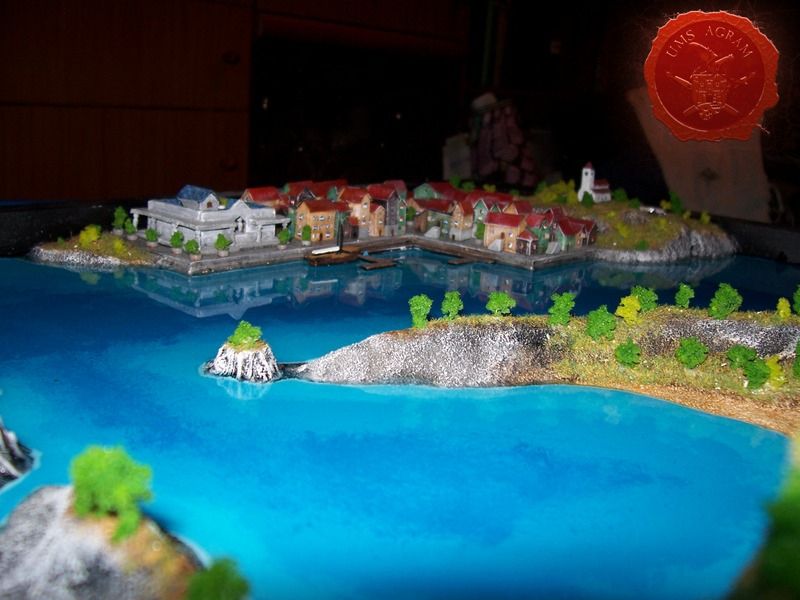
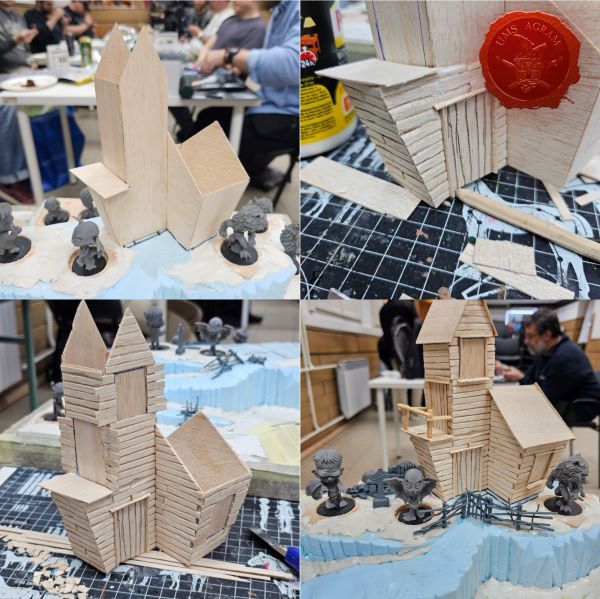
The first island we tackled was Crew Island. We decided to have a small sea town with a town hall and a church with a graveyard on a hill. The streets of the town were made from plastic pieces of a 1/72 medieval castle. The buildings were built by Andrija from 1,5mm thick balsa wood and thin card. The window shutters were about 1x1mm in size and were each cut from a piece of paper. We placed most of the buildings on top of 3mm yellow LEDs that were drilled through the bottom of the plastic street construction.
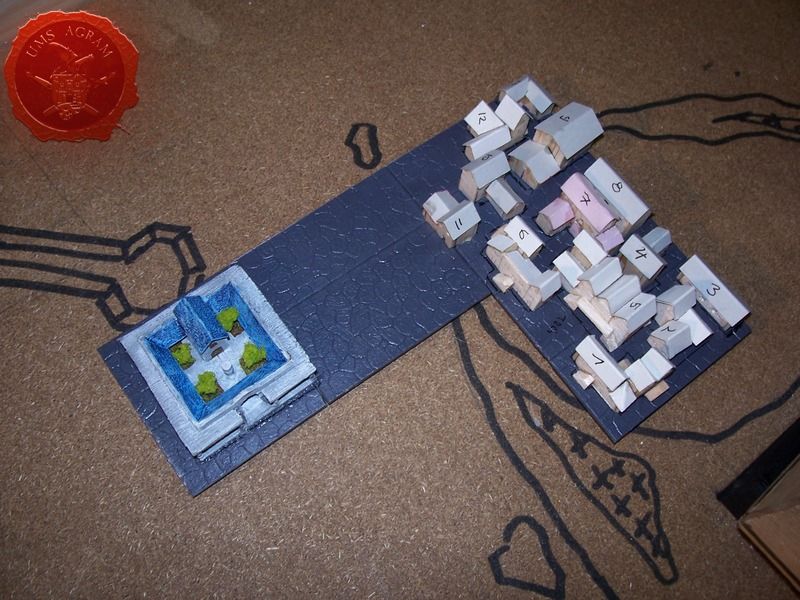
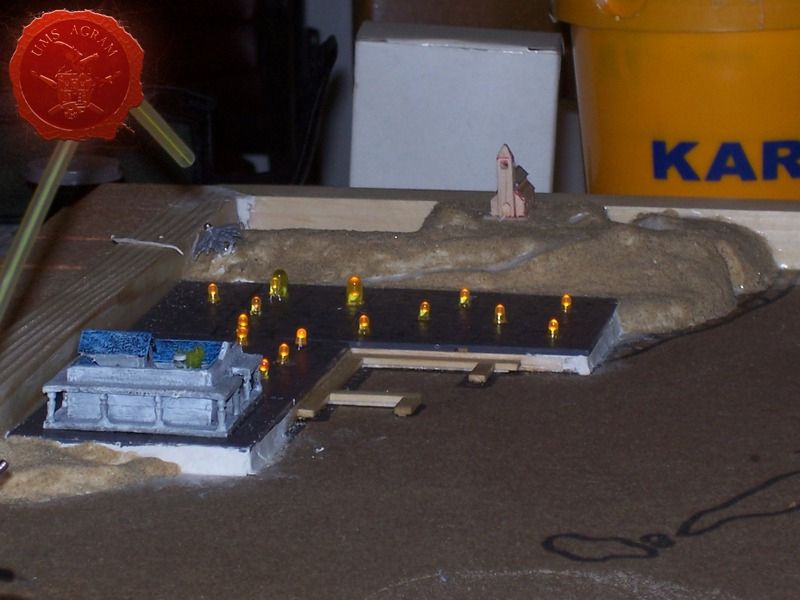
Click for enlarged picture

Click for enlarged picture

Click for enlarged picture

Click for enlarged picture

Click for enlarged picture

Click for enlarged picture

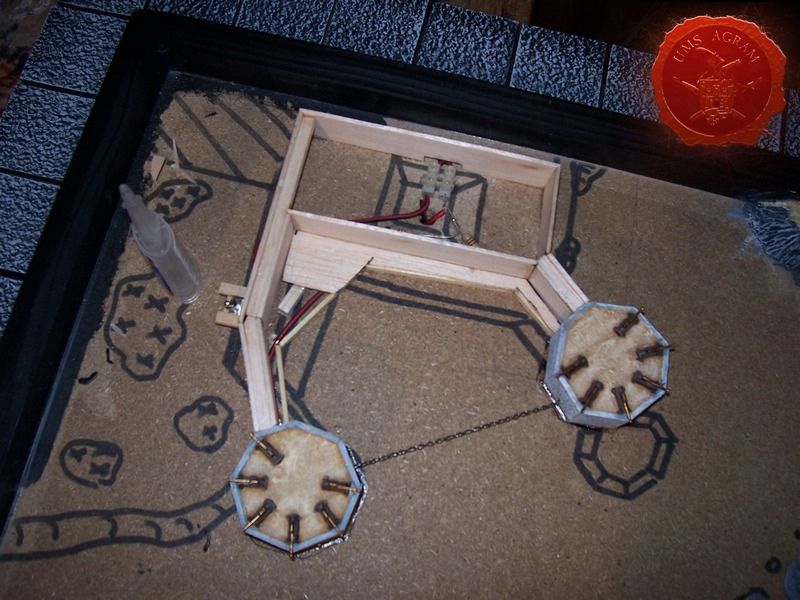
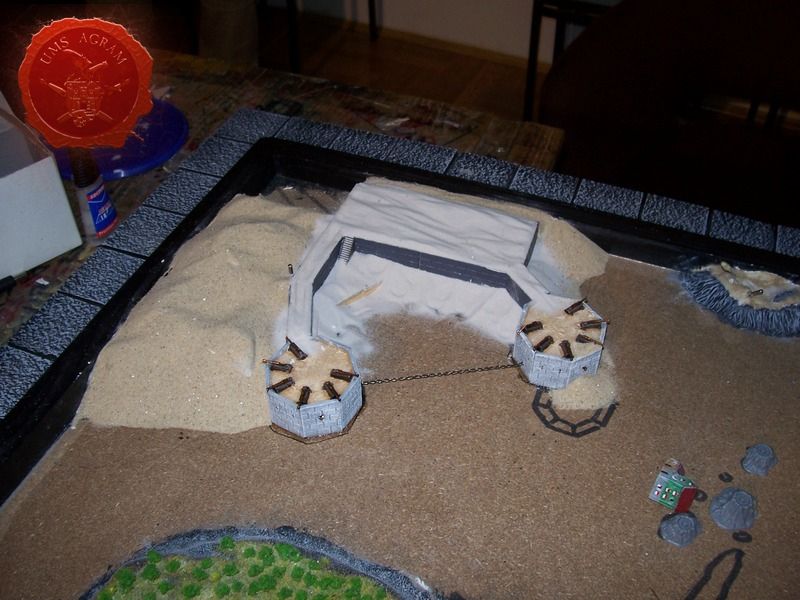
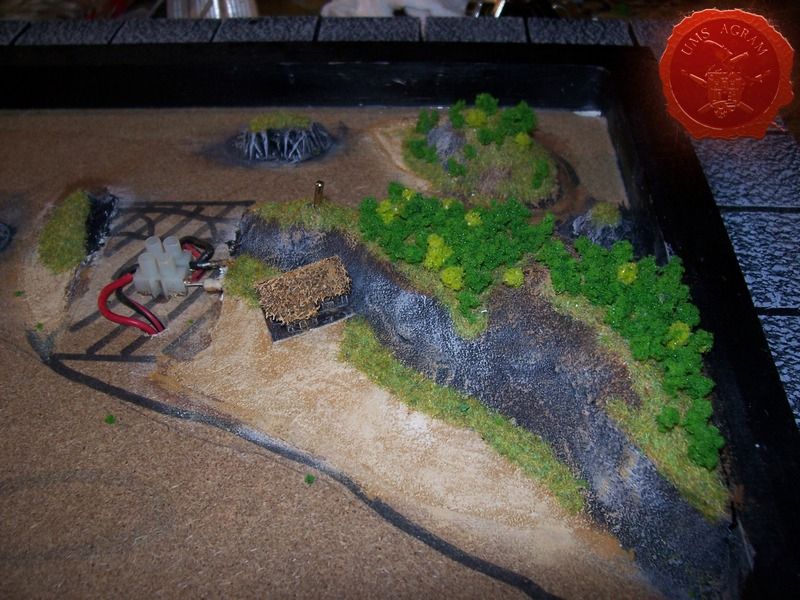
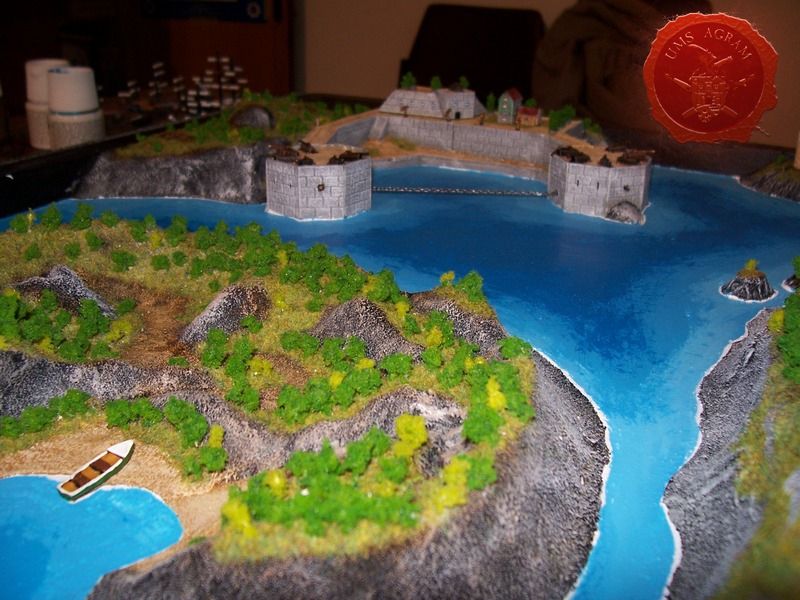
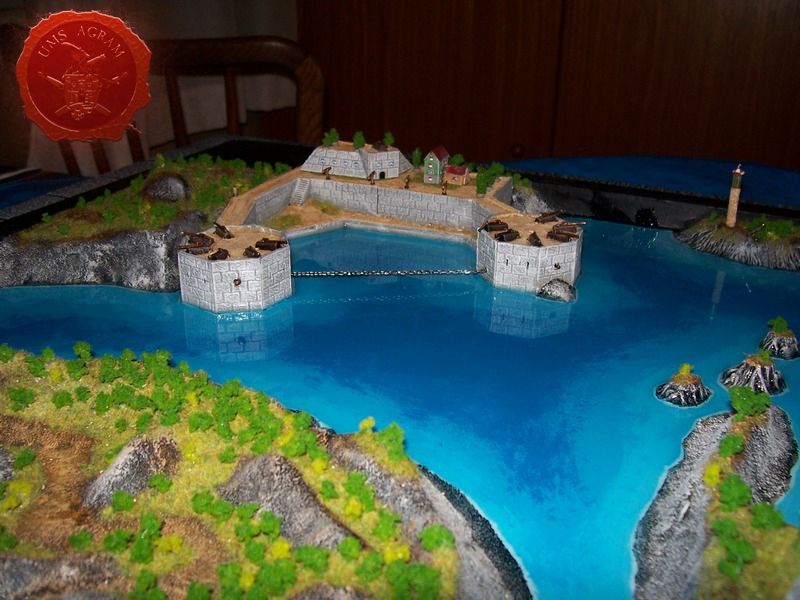
The fortress on Gun Island was done from the same medieval castle plastic kit. Sides of the octogonal bastions were carefully cut using a scalpel blade. The guns were salvaged from a Revell plastic ship. To finish the job, we placed a chain at the port entrance.
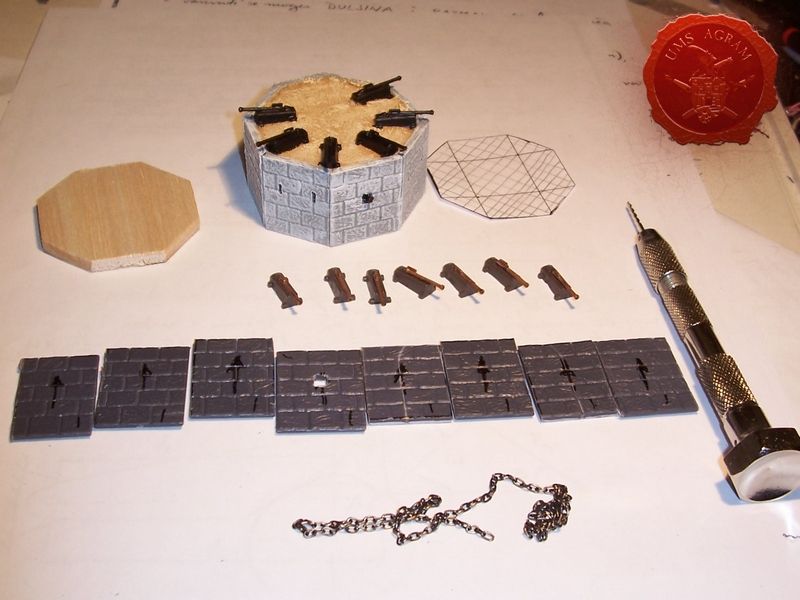
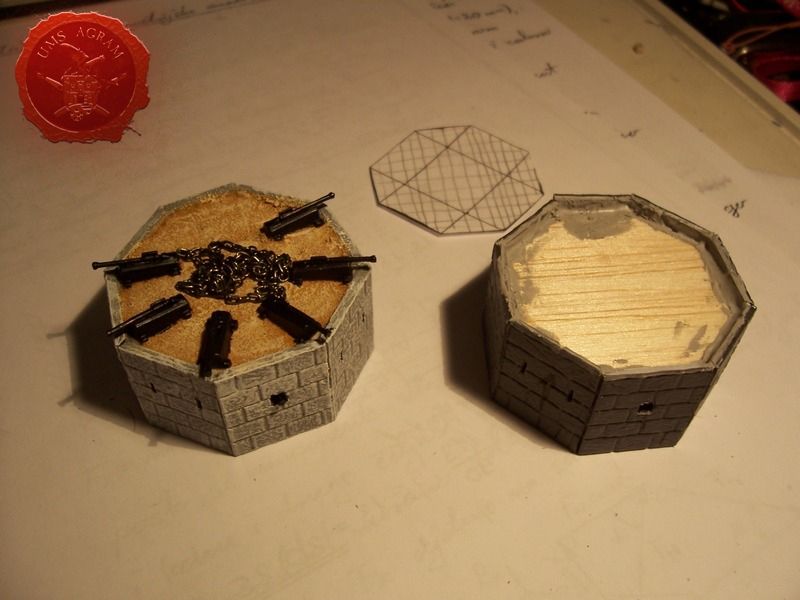
Click for enlarged picture

Click for enlarged picture

Click for enlarged picture

Click for enlarged picture

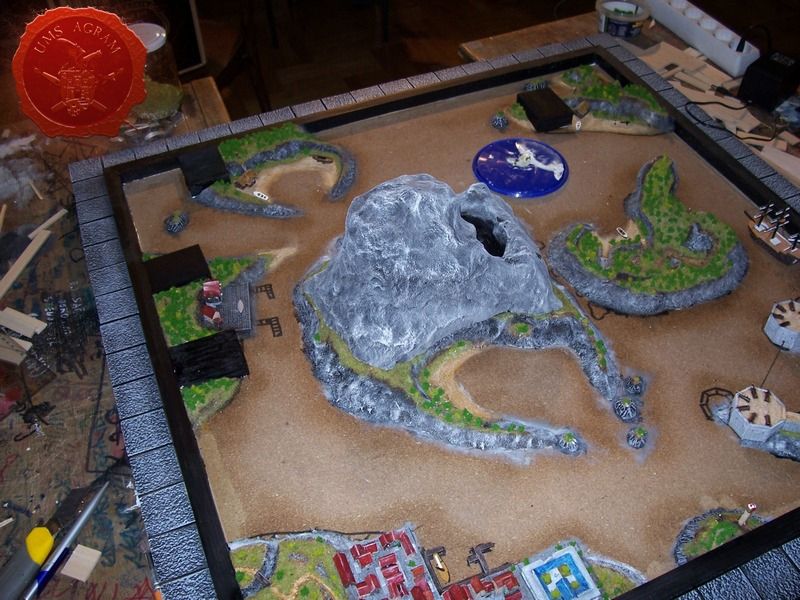
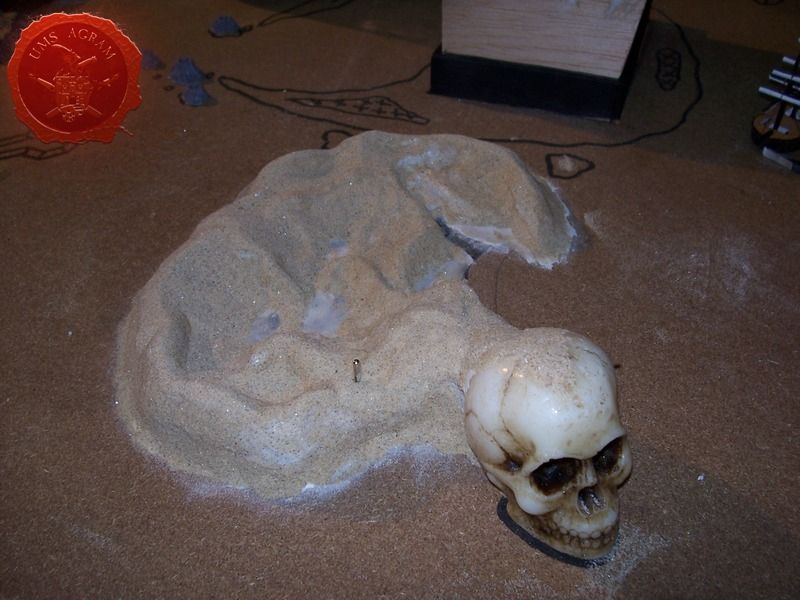
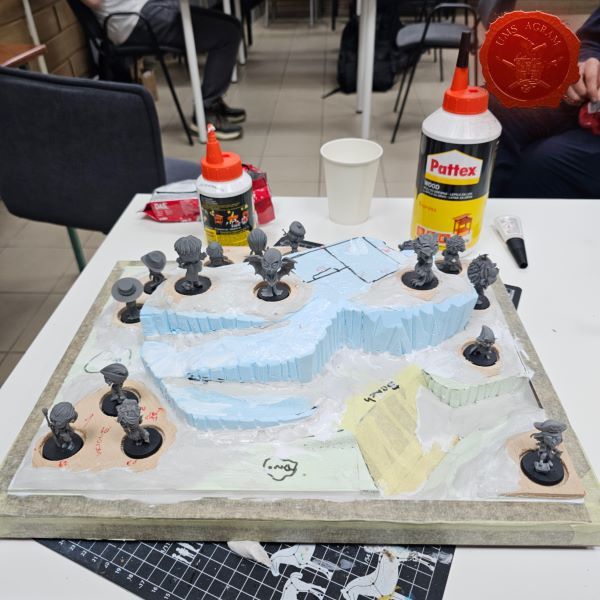
The body of all the islands was made from 2cm thick HD styrofoam. The beaches, cliffs and the rest of the features were modelled from air drying clay (DAS). The piers were done from 2mm thick balsa wood. Once the clay and PVA glue were dry, the islands were coated in watered down PVA glue. The top surfaces were sprinkled over with coarser sand while the beaches were covered with smallest grain sand we could find. In this case, it was chinchilla sand from a local pet shop.
Click for enlarged picture

Click for enlarged picture

Click for enlarged picture

Click for enlarged picture

Click for enlarged picture

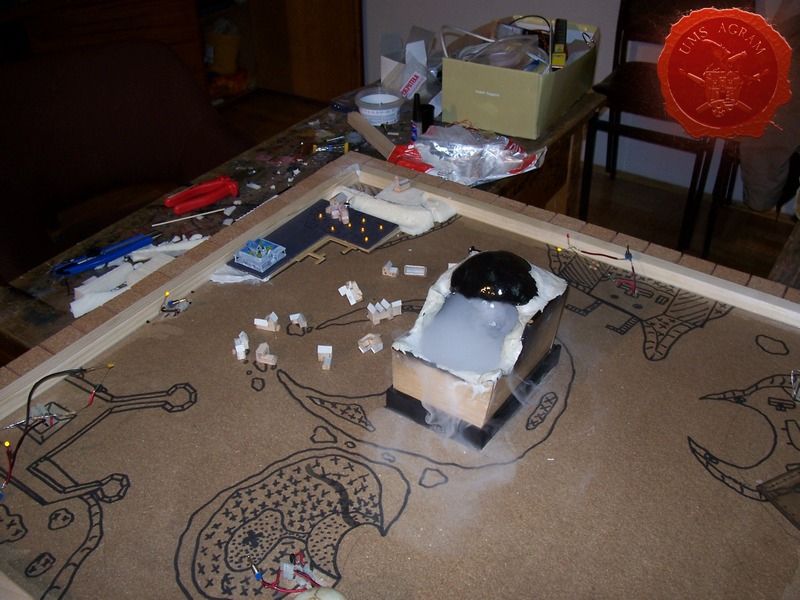
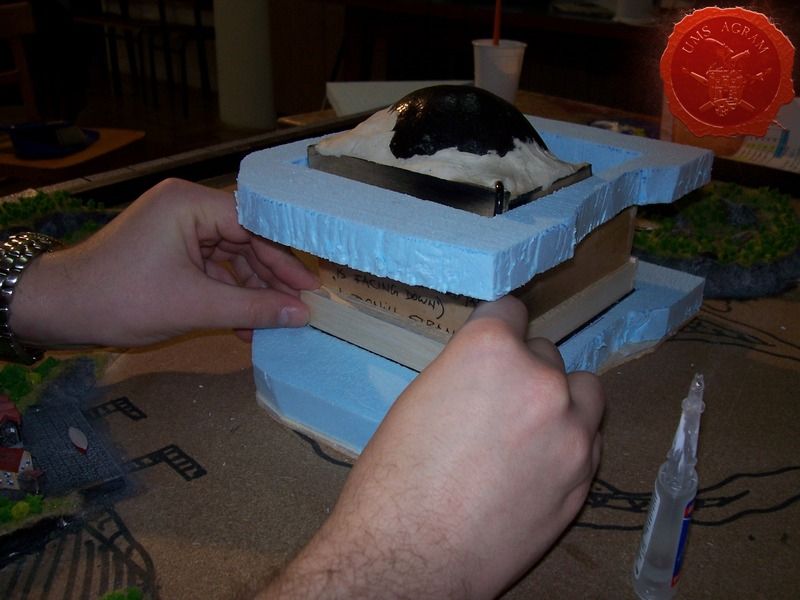
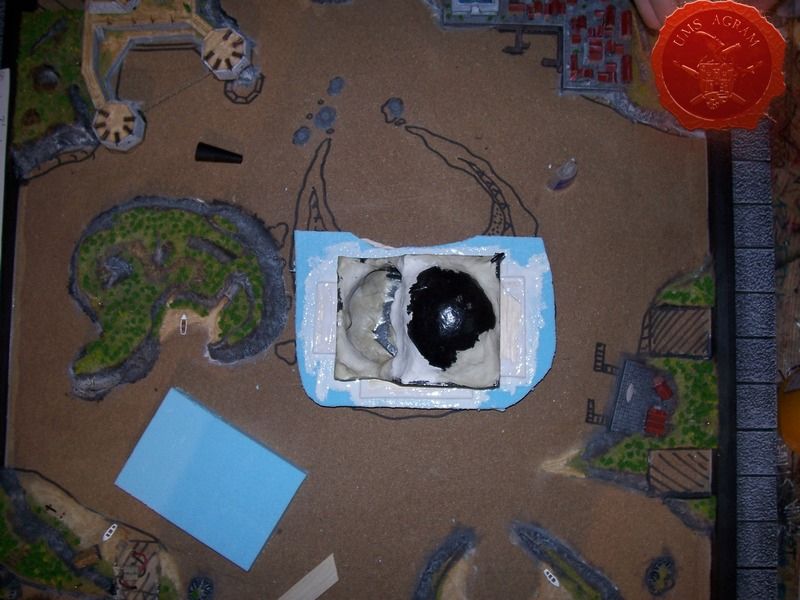
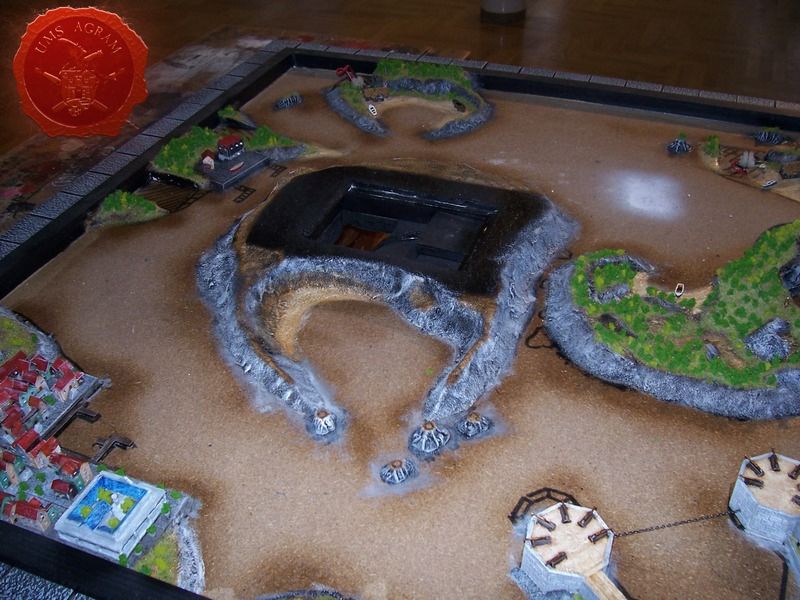
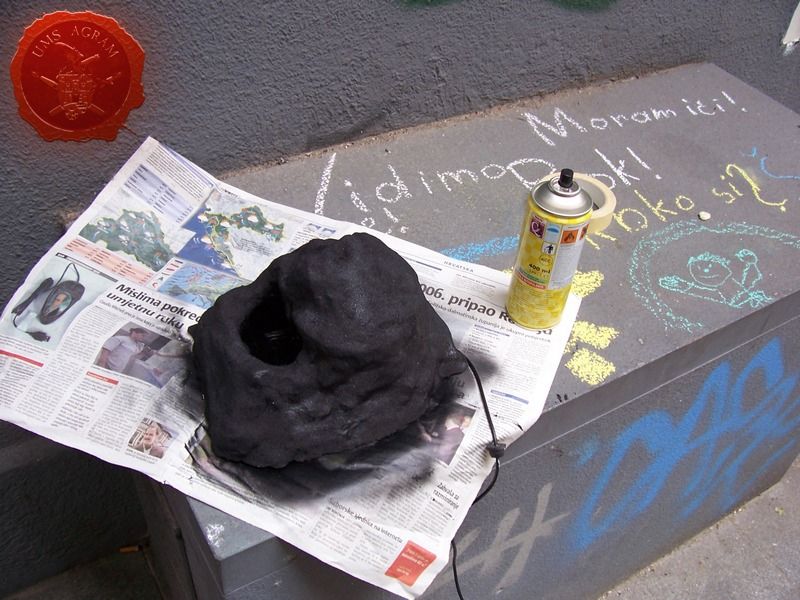
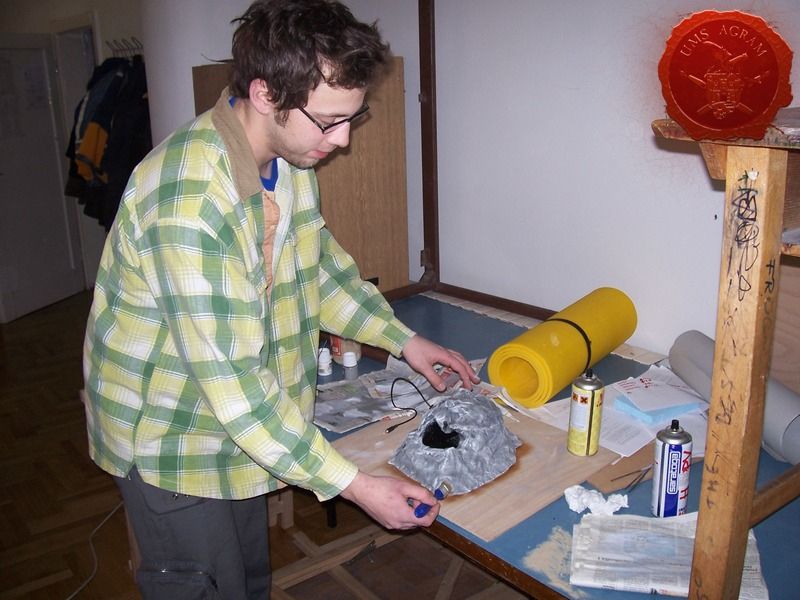
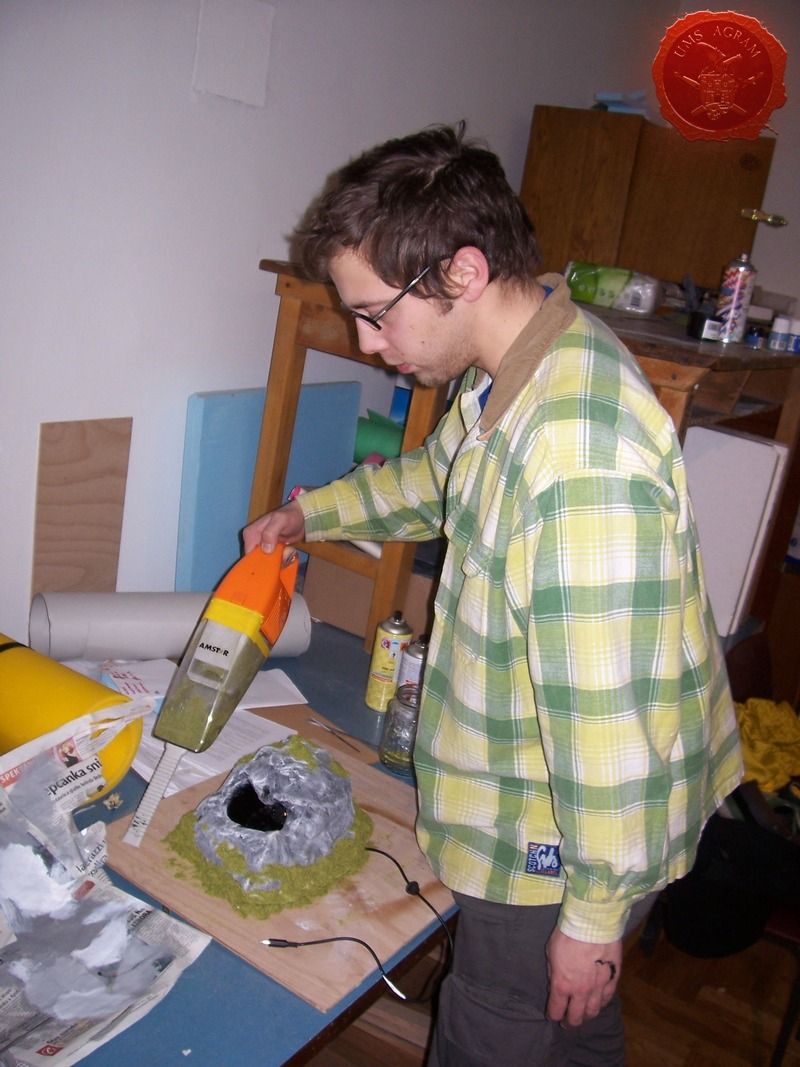
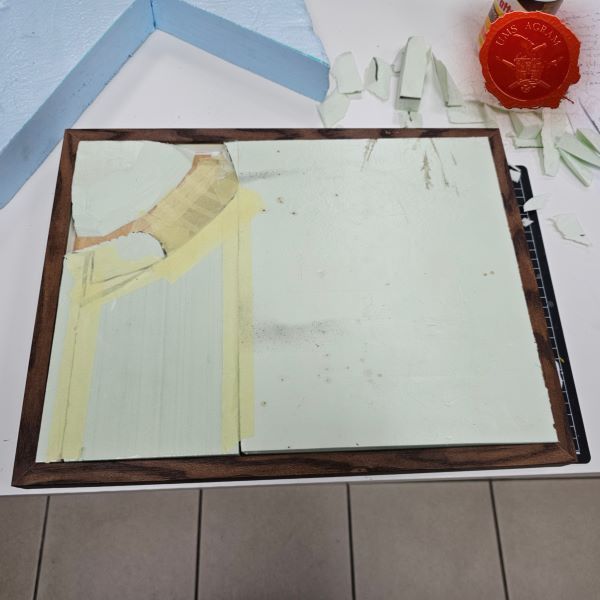
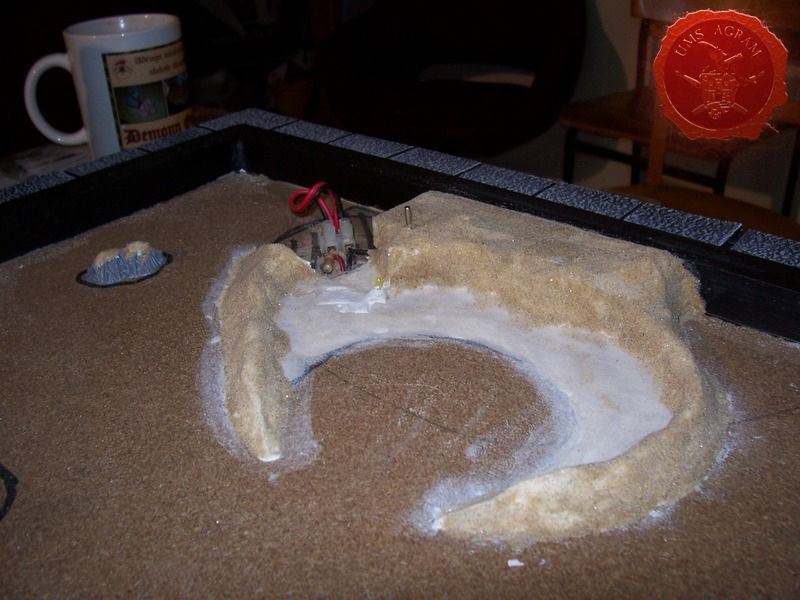
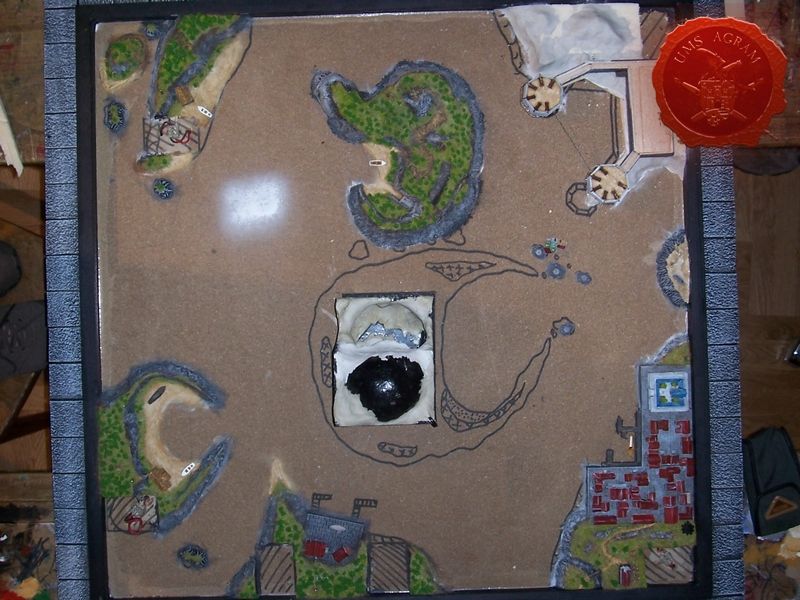
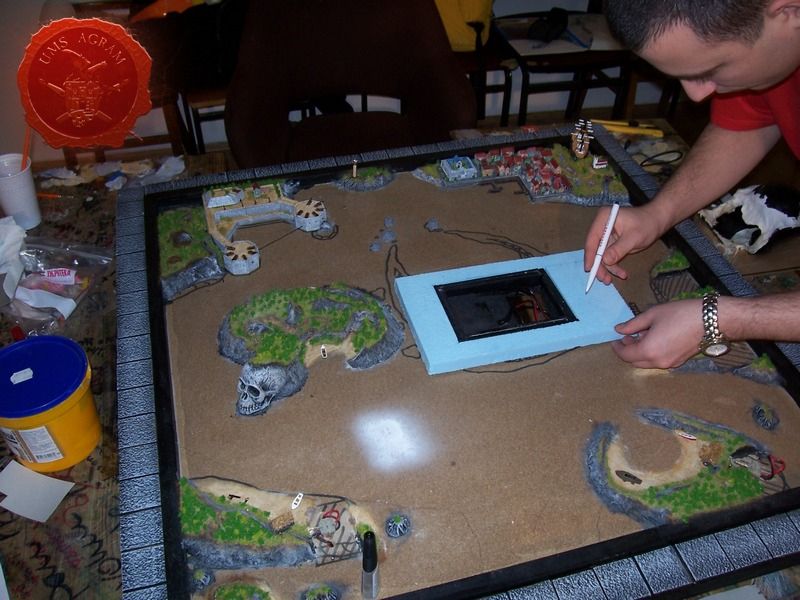
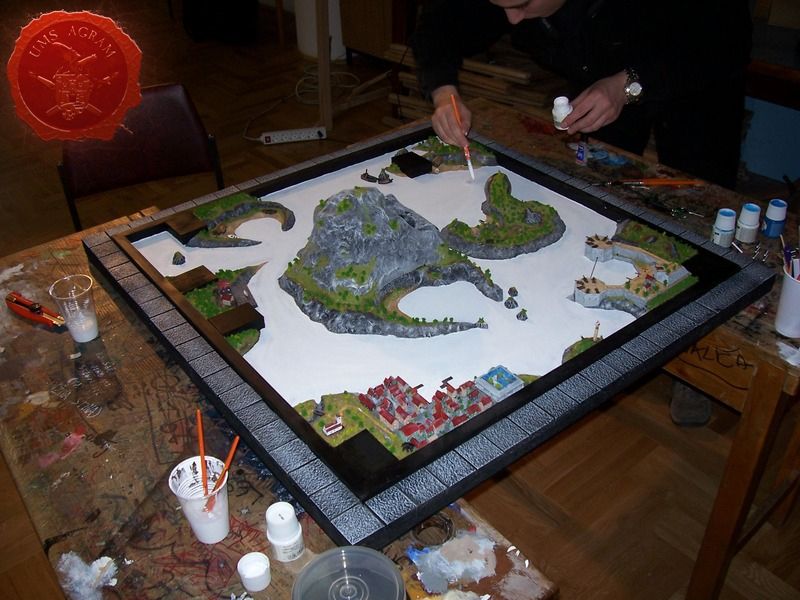
With this, most of the islands were done. All that was left was to do the Pirate's Cove island and make a removable volcano. We had to make the volcano removable to make it possible to fill and empty the vessel for the water that the fogger uses to make fog. If we left the board in one piece, it would have been impossible to empty the tank which would eventually cause the formation of calk or something even worse. Again, the body of the island was built by HD styrofoam. Using styrofoam boards made it possible to have a straight cut between the island and the removable volcano. Once the island part of styrofoam was dry, the tank was placed in its spot and around it another layer of styrofoam was placed and glued to the tank from the top side. Once it was dry, we made the island and volcano features following the same procedure as we did for the rest of the islands using DAS air drying clay. Once it was dry, we textured it with sand (two different sizes).
Click for enlarged picture

Click for enlarged picture

Click for enlarged picture

Click for enlarged picture

Click for enlarged picture

Click for enlarged picture

Click for enlarged picture

Click for enlarged picture

Click for enlarged picture

Click for enlarged picture

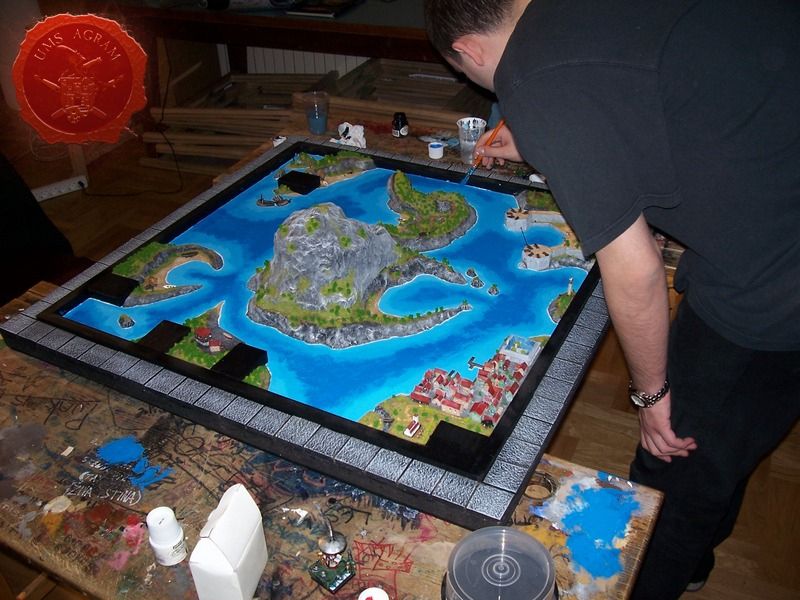
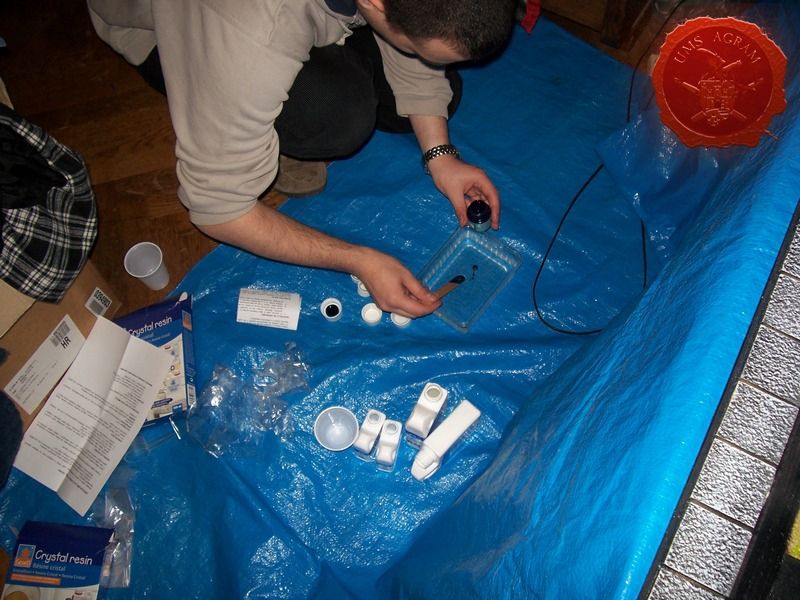
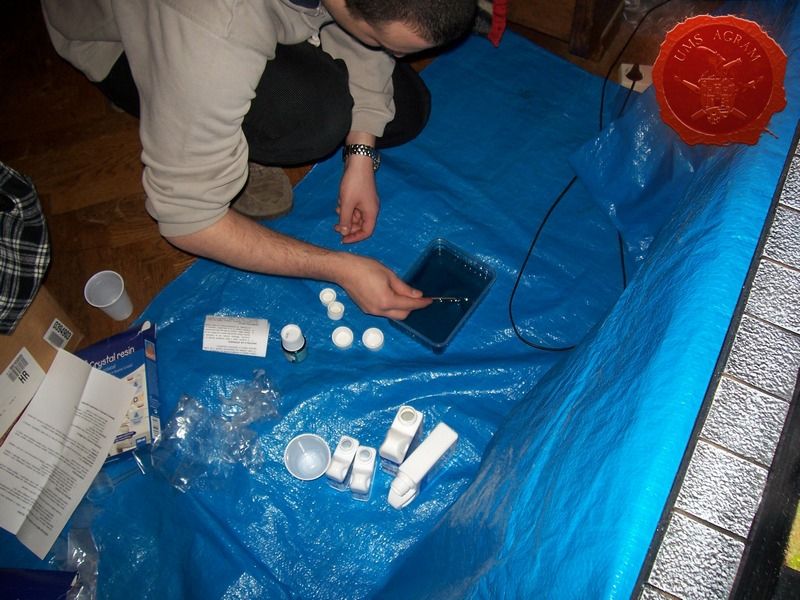
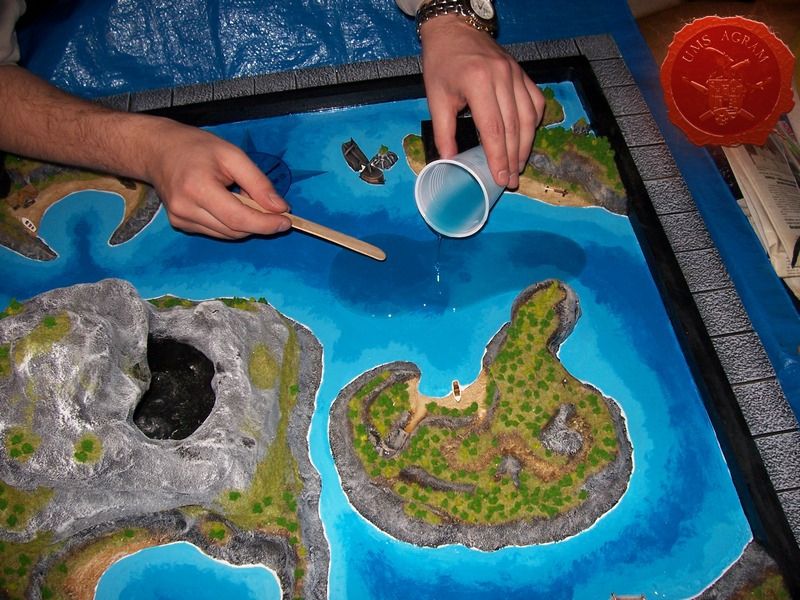
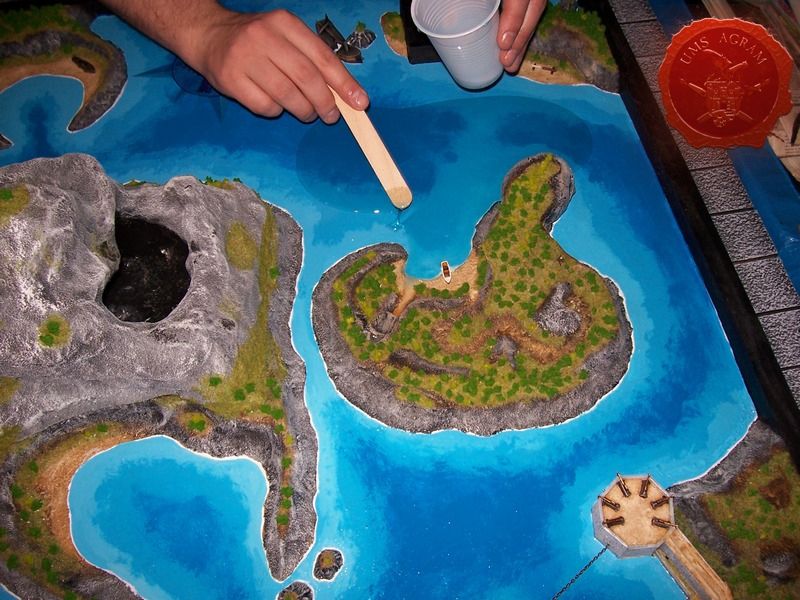
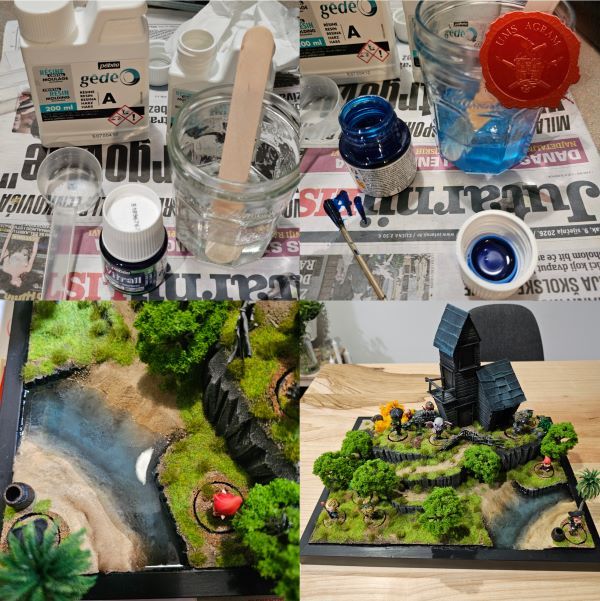
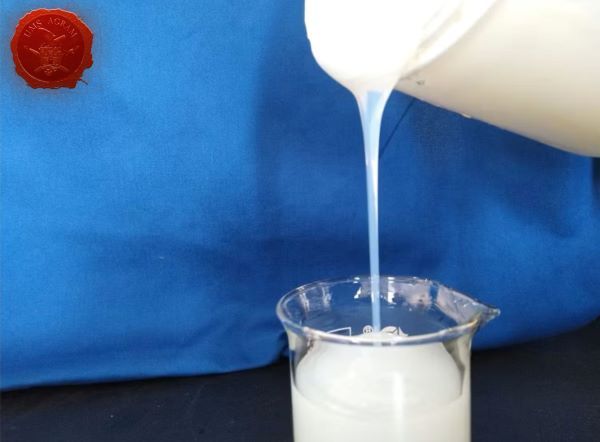
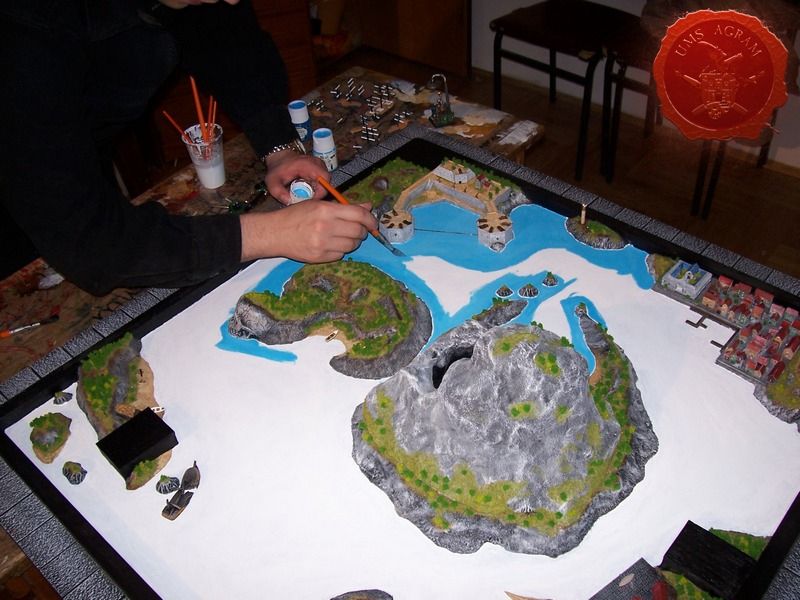
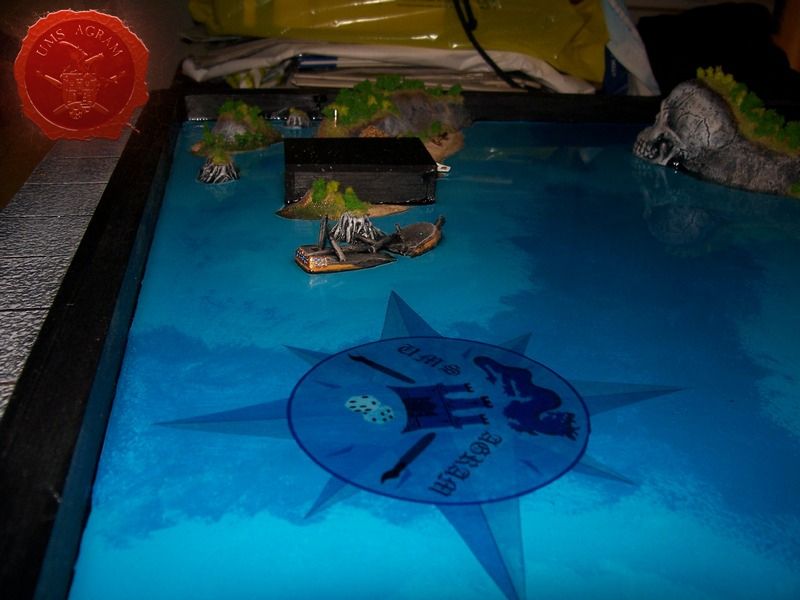
The islands were painted using Pebeo Deco colours (Black, Brown, Ochre, Ash, White and Grey) and flocked using static grass. The trees were made from twisted wire trees bought on Ebay. When the islands were done, I painted the seas. As I wanted the blue to be really bright, I used a white undercoat that was hand painted using a large brush as I didn't want to risk botching up the rest of the work by accidental spillage by using sprey/air brush. After it was done, I mixed several shades of blue (by mixing Pebeo Deco White and Blue). Each progressive layer had more Blue in it. Before pouring in the resin, we decided to make a compass with a club sign. The painted design on a piece of paper was simply cut out and glued using watered down PVA glue. All that was needed was to mix the resin and pour it in carefully. For this, we used Gedeo Crystal Resin. A quick calculation revealed that we needed 600ml of resin in order to make the water 1,5-2mm deep. Carefully we mixed the two part resin (mixing ratio is 2:1 vol which makes it easy to work with). Once the mixture was fully mixed I added a couple of drops of Pebeo Vitrail Sky Blue colour. Be careful when mixing, because you can easily overdo it and be left with too dark a resin.
Click for enlarged picture

Click for enlarged picture

Click for enlarged picture

Click for enlarged picture

Click for enlarged picture

Click for enlarged picture

Click for enlarged picture

Click for enlarged picture

Click for enlarged picture

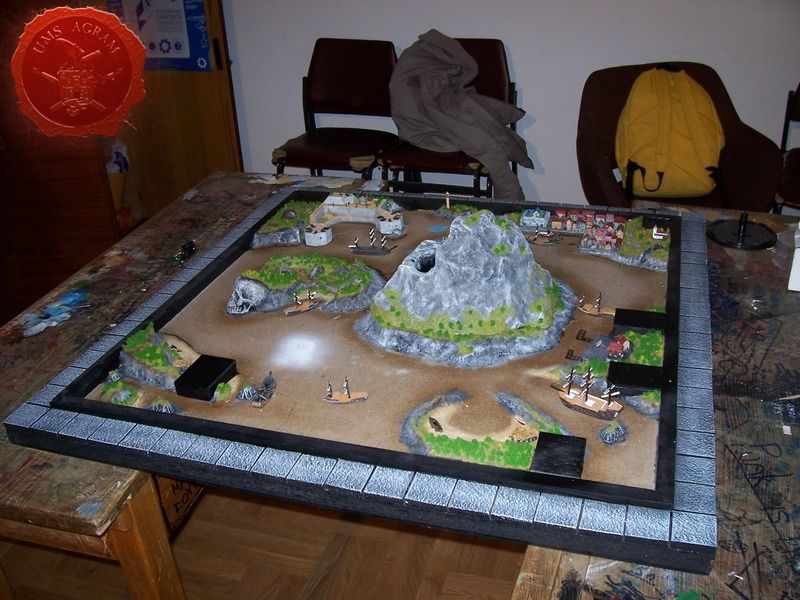
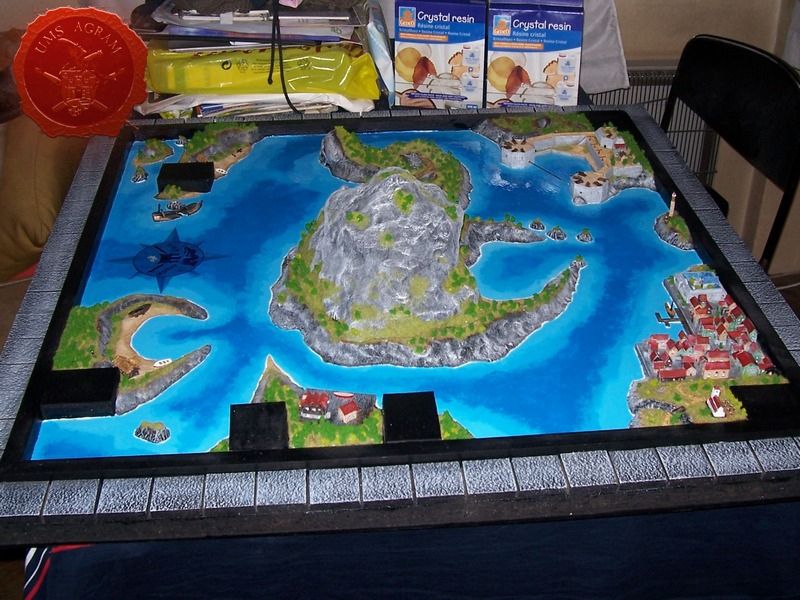
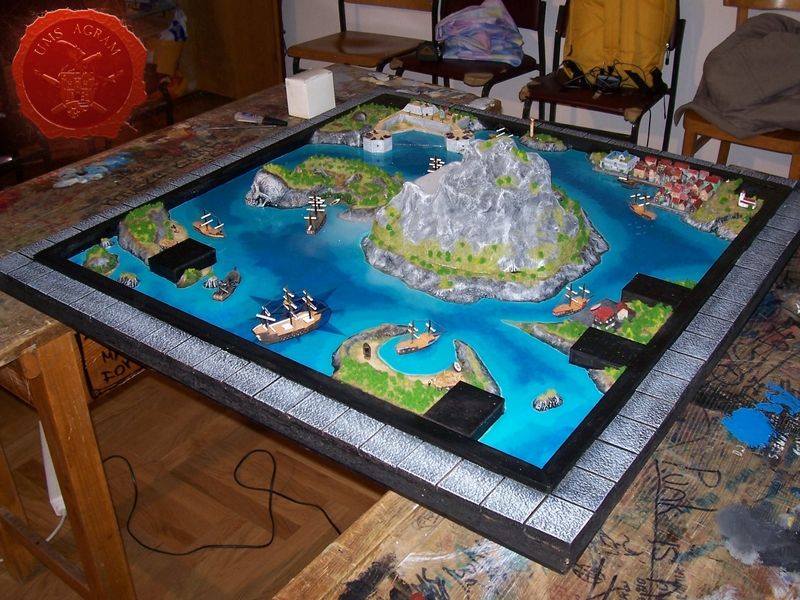
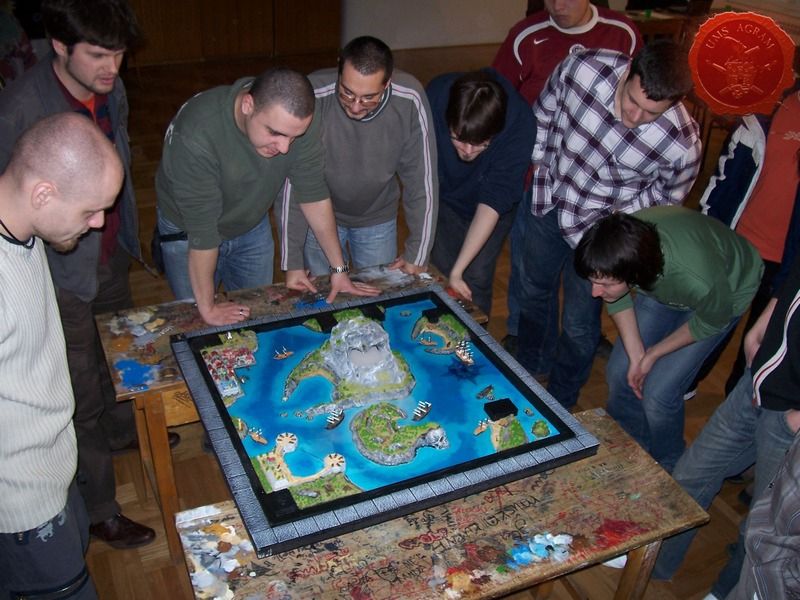
After a drying period of about 24 hours, the board was done and we could present it to the guys from the club!
Click for enlarged picture

Click for enlarged picture

Click for enlarged picture

Click for enlarged picture

Click for enlarged picture

Latest articles

  • SFRJ 1986 v2 Diorama part 5
              array(2) {
      ["Article"]=>
      array(10) {
        ["id"]=>
        string(3) "492"
        ["member_id"]=>
        string(2) "35"
        ["title_eng"]=>
        string(27) "SFRJ 1986 v2 Diorama part 5"
        ["title_hrv"]=>
        string(29) "Diorama SFRJ 1986 v2– dio 5"
        ["mask_eng"]=>
        string(27) "sfrj_1986_v2_diorama_part_5"
        ["mask_hrv"]=>
        string(26) "diorama_sfrj_1986_v2_dio_5"
        ["content_eng"]=>
        string(3653) "

    In this series of articles, we will follow my work on a new diorama, another in the 1986 series. This time I have again decided to use a former country. Another version of the SFRY 1986.

    Click for enlarged picture

    So far I have finished making the base, painting the base, painting the interior of the vehicle and painting the figures. Now it's time to add the vegetation

    Click for enlarged picture

    The pines/trees were already fixed to the base before painting, so the first vegetation I added was tall shrubs that filled the volume of the base.

    Click for enlarged picture

    Then I added lower vegetation like tall grass and lower bushes.

    Click for enlarged picture

    Finally, I added some short grass, making sure when I was making the parking lot and path that there was no vegetation in the places where the wheels pass.

    Click for enlarged picture

    The paint on the base has just dried up, so next time I'll add the vegetation.

    Click for enlarged picture

    When the diorama is turned to the back, the volume of the forest is visible.

    Click for enlarged picture

    Before placing the vehicles and miniatures on the base, the diorama looks like this.

    Click for enlarged picture

    " ["content_hrv"]=> string(3186) "

    U ovoj seriji članaka pratit ćemo moj rad na novoj diorami, još jednoj u nizu serijala 1986. Ovaj put sam se opet odlučio za bivšu državu. Druga verzija SFRJ 1986..

    Click for enlarged picture

    Do sada sam završio s izradom baze, bojanjem baze, bojanjem interijera vozila i bojanjem figura. Sada je došlo vrijeme za dodavanje vegetacije

    Click for enlarged picture

    Borovi/drveće je već bilo fiksirano na bazu prije bojanja pa je prva sljedeća vegetacija bila visoko žbunje kojim sam popunio volumen baze.

    Click for enlarged picture

    Potom sam dodao niže raslinje poput visoke trave i nižeg grmlja.

    Click for enlarged picture

    Na kraju sam dodao i nisku travu pri čemu sam pazio kad sam radio ugibalište i puteljak da vegetacije ne bude na mjestima gdje prolaze kotači.

    Click for enlarged picture

    Kada se dioramu okrene, vidi se volumen vegetacije u šumi. 

    Click for enlarged picture

    Prije postavljanja vozila i minijatura, diorama izgleda ovako:

    Click for enlarged picture

    " ["created"]=> string(19) "2026-01-19 10:46:08" ["modified"]=> string(19) "2026-01-19 11:00:21" } ["Member"]=> array(10) { ["id"]=> string(2) "35" ["group_id"]=> string(1) "1" ["first_name"]=> string(5) "Marko" ["last_name"]=> string(9) "Paunović" ["first_name_mask"]=> string(5) "marko" ["last_name_mask"]=> string(8) "paunovic" ["username"]=> string(5) "marko" ["password"]=> string(40) "3bd37b326d19d1880d3b93a4b32e8fb3a90fa122" ["born"]=> string(19) "2033-03-07 20:35:00" ["created"]=> string(19) "2009-06-02 20:37:03" } }
    Marko Paunović, 19th January 2026
  • SFRJ 1986 v2 Diorama part 4
              array(2) {
      ["Article"]=>
      array(10) {
        ["id"]=>
        string(3) "491"
        ["member_id"]=>
        string(2) "35"
        ["title_eng"]=>
        string(27) "SFRJ 1986 v2 Diorama part 4"
        ["title_hrv"]=>
        string(29) "Diorama SFRJ 1986 v2– dio 4"
        ["mask_eng"]=>
        string(27) "sfrj_1986_v2_diorama_part_4"
        ["mask_hrv"]=>
        string(26) "diorama_sfrj_1986_v2_dio_4"
        ["content_eng"]=>
        string(2405) "

    In this series of articles, we will follow my work on a new diorama, another in the 1986 series. This time I have again decided to use a former country. Another version of the SFRY 1986.

    Click for enlarged picture

    After the base and the vehicles, I started painting the miniatures. Two policemen and a truck driver. The first step was the base color – black and then white..

    Click for enlarged picture

    After that, I started with the basic colors, concentrating a little more on the truck driver..

    Click for enlarged picture

    Considering the year and location of the action, I decided that his jacket should have the logo from the 1984 Sarajevo Winter Olympics..

    Click for enlarged picture

    Then I threw myself at the policemen..

    Click for enlarged picture

    The paint on the base has just dried up, so next time I'll add the vegetation.

    " ["content_hrv"]=> string(2360) "

    U ovoj seriji članaka pratit ćemo moj rad na novoj diorami, još jednoj u nizu serijala 1986. Ovaj put sam se opet odlučio za bivšu državu. Druga verzija SFRJ 1986..

    Click for enlarged picture

    Nakon baze i vozila, bacio sam se na bojanje minijatura. Dva milicajca i vozač kamiona. Prvi korak je bila temeljna boja – crna pa bijela.

    Click for enlarged picture

    Nakon toga, krenuo sam s osnovnim bojama, malo više se koncentrirajući na vozača kamiona.

    Click for enlarged picture

    S obzirom na godinu i mjesto radnje, odlučio sam se da mu jakna ima logo od ZOI Sarajevo 1984.

    Click for enlarged picture

    Zatim sam se bacio na milicajce.

    Click for enlarged picture

    Taman se tako nekako osušila i boja na bazi pa ću sljedeći puta obraditi i dodavanje vegetacije.

    " ["created"]=> string(19) "2026-01-19 10:35:45" ["modified"]=> string(19) "2026-01-19 10:35:45" } ["Member"]=> array(10) { ["id"]=> string(2) "35" ["group_id"]=> string(1) "1" ["first_name"]=> string(5) "Marko" ["last_name"]=> string(9) "Paunović" ["first_name_mask"]=> string(5) "marko" ["last_name_mask"]=> string(8) "paunovic" ["username"]=> string(5) "marko" ["password"]=> string(40) "3bd37b326d19d1880d3b93a4b32e8fb3a90fa122" ["born"]=> string(19) "2033-03-07 20:35:00" ["created"]=> string(19) "2009-06-02 20:37:03" } }
    Marko Paunović, 19th January 2026
  • SFRJ 1986 v2 Diorama part 3
              array(2) {
      ["Article"]=>
      array(10) {
        ["id"]=>
        string(3) "490"
        ["member_id"]=>
        string(2) "35"
        ["title_eng"]=>
        string(27) "SFRJ 1986 v2 Diorama part 3"
        ["title_hrv"]=>
        string(29) "Diorama SFRJ 1986 v2– dio 3"
        ["mask_eng"]=>
        string(27) "sfrj_1986_v2_diorama_part_3"
        ["mask_hrv"]=>
        string(26) "diorama_sfrj_1986_v2_dio_3"
        ["content_eng"]=>
        string(3113) "

    In this series of articles, we will follow my work on a new diorama, another in the 1986 series. This time I have again decided to use a former country. Another version of the SFRY 1986.

    Click for enlarged picture

    As I announced last time, it's time to get down to the vehicles. The first thing I did was disassemble the models and take out the interiors of all three vehicles.

    Click for enlarged picture

    As you can see in the picture, the interior of the vehicle is poorly or not at all painted, so a lot of attention and time was spent there. I painted the upholstery in shades of gray, or brown on the Tristač. I brought out the details on the dashboard and around the gearbox.

    Click for enlarged picture

    There was something missing from the start on the Fićo, but I couldn't figure out what it was until Kruno pointed out to me that the flashing lights were missing. I fixed that with a small 3mm clear LED that I painted in Tamiya Clear Blue with a silver edge.

    Click for enlarged picture

    This completes the painting of the vehicles’ interior.

    Click for enlarged picture

    The finishing touches are the decorations in the truck's cabin.

    Click for enlarged picture

    Next time we will continue with painting the figures.

    " ["content_hrv"]=> string(3080) "

    U ovoj seriji članaka pratit ćemo moj rad na novoj diorami, još jednoj u nizu serijala 1986. Ovaj put sam se opet odlučio za bivšu državu. Druga verzija SFRJ 1986..

    Click for enlarged picture

    Kao što sam najavio prošli put, vrijeme je da se bacim na vozila. Prvo što sam napravio jest da sam rastavio modele i izvadio unutrašnjost sva tri vozila

    Click for enlarged picture

    Kako je vidljivo na slici, unutrašnjost vozila je slabo ili nikako obojana stoga je tu otišlo mnogo pažnje i vremena. Tapecirunge sam obojao u sive nijanse, odnosno u smeđe na tristaču. Izvukao sam detalje na komandnim pločama te oko mjenjača.

    Click for enlarged picture

    Na fićeku mi je otpočetka nešto falilo, ali nisam mogao skužiti što dok mi Kruno nije skrenuo pažnju da fali rotirka. Nju sam sredio pomoću jedne male 3mm prozirne LED koju sam obojao u Tamiya Clear Blue sa srebrnim rubom.

    Click for enlarged picture

    Time je završeno bojanje unutrašnjosti vozila.

    Click for enlarged picture

    Završni detalji su ukrasi u kabini kamiona.

    Click for enlarged picture

    Sljedeći put nastavljamo sa bojanjem figura.

    " ["created"]=> string(19) "2026-01-19 10:28:32" ["modified"]=> string(19) "2026-01-19 10:28:32" } ["Member"]=> array(10) { ["id"]=> string(2) "35" ["group_id"]=> string(1) "1" ["first_name"]=> string(5) "Marko" ["last_name"]=> string(9) "Paunović" ["first_name_mask"]=> string(5) "marko" ["last_name_mask"]=> string(8) "paunovic" ["username"]=> string(5) "marko" ["password"]=> string(40) "3bd37b326d19d1880d3b93a4b32e8fb3a90fa122" ["born"]=> string(19) "2033-03-07 20:35:00" ["created"]=> string(19) "2009-06-02 20:37:03" } }
    Marko Paunović, 19th January 2026
  • SFRJ 1986 v2 Diorama part 2
              array(2) {
      ["Article"]=>
      array(10) {
        ["id"]=>
        string(3) "489"
        ["member_id"]=>
        string(2) "35"
        ["title_eng"]=>
        string(27) "SFRJ 1986 v2 Diorama part 2"
        ["title_hrv"]=>
        string(29) "Diorama SFRJ 1986 v2– dio 2"
        ["mask_eng"]=>
        string(27) "sfrj_1986_v2_diorama_part_2"
        ["mask_hrv"]=>
        string(26) "diorama_sfrj_1986_v2_dio_2"
        ["content_eng"]=>
        string(3226) "

    In this series of articles, we will follow my work on a new diorama, another in the 1986 series. This time I have again decided to use a former country. Another version of the SFRY 1986.

    Click for enlarged picture

    Last time I explained how I created the terrain, and this time I'll be painting the terrain. The terrain itself consists of several parts: an asphalt road, a turnoff and path, and the terrain in the forest.

    Click for enlarged picture

    Since I wanted all the surfaces to have similar tones, I decided to paint without a base color, applying the main color immediately. The paint I applied was very thin so it stayed wet for a long time, which allowed me to mix the base colors and get a uniform tone.

    Click for enlarged picture

    After applying the basic tones, I started shading. I also used the same principle, using quite diluted tones to create unevenness in certain parts of the surface.

    Click for enlarged picture

    Then I added a layer that I could most simply call wash. A very diluted darker shade of color.

    Click for enlarged picture

    I applied the final shades using another technique, the simplest one – dry brush.

    Click for enlarged picture

    While these paints were drying, I was simultaneously disassembling and painting the interior of the car and truck, as well as the figures, which will be the subject of future articles.

    " ["content_hrv"]=> string(3277) "

    U ovoj seriji članaka pratit ćemo moj rad na novoj diorami, još jednoj u nizu serijala 1986. Ovaj put sam se opet odlučio za bivšu državu. Druga verzija SFRJ 1986..

    Click for enlarged picture

    Prošli put sam objasnio kako sam izradio teren, a ovaj put ću se baviti bojanjem terena. Sami teren se sastoji od nekoliko dijelova: asfaltna cesta, ugibalište i puteljak te teren u šumi.

    Click for enlarged picture

    S obzirom da sam htio da sve površine imaju slične tonove, odlučio sam se bojati bez temeljne boje, nanoseći odmah glavni ton. Boju koju sam nanosio bila je jako razvodnjena tako da je dugo bila mokra i to mi je omogućavalo miješanje osnovnih tonova i dobivanje ujednačene tonove.

    Click for enlarged picture

    Nakon nanošenja osnovnih tonova, krenuo sam sa nijansiranjem. Također sam radio istim principom, dosta razvodnjene tonove kako bih dobio neujednačenost pojedinih dijelova površine.

    Click for enlarged picture

    Potom sam dodao sloj koji bih najjednostavnije mogao nazvati wash. Jako razvodnjenu tamniju nijansu boje.

    Click for enlarged picture

    Završne nijanse sam nanio drugom tehnikom, najjednostavnijom – dry brush.

    Click for enlarged picture

    Dok su se ove boje sušile, paralelno sam rastavio i bojao unutrašnjost automobila i kamiona te figura što će biti tema sljedećih članaka.

    " ["created"]=> string(19) "2026-01-19 09:32:11" ["modified"]=> string(19) "2026-01-19 09:32:11" } ["Member"]=> array(10) { ["id"]=> string(2) "35" ["group_id"]=> string(1) "1" ["first_name"]=> string(5) "Marko" ["last_name"]=> string(9) "Paunović" ["first_name_mask"]=> string(5) "marko" ["last_name_mask"]=> string(8) "paunovic" ["username"]=> string(5) "marko" ["password"]=> string(40) "3bd37b326d19d1880d3b93a4b32e8fb3a90fa122" ["born"]=> string(19) "2033-03-07 20:35:00" ["created"]=> string(19) "2009-06-02 20:37:03" } }
    Marko Paunović, 19th January 2026
  • SFRJ 1986 v2 Diorama part 1
              array(2) {
      ["Article"]=>
      array(10) {
        ["id"]=>
        string(3) "488"
        ["member_id"]=>
        string(2) "35"
        ["title_eng"]=>
        string(27) "SFRJ 1986 v2 Diorama part 1"
        ["title_hrv"]=>
        string(29) "Diorama SFRJ 1986 v2– dio 1"
        ["mask_eng"]=>
        string(27) "sfrj_1986_v2_diorama_part_1"
        ["mask_hrv"]=>
        string(26) "diorama_sfrj_1986_v2_dio_1"
        ["content_eng"]=>
        string(3178) "

    In this series of articles, we will follow my work on a new diorama, another in the 1986 series. This time I have again decided to use a former country. Another version of the SFRY 1986.

    Click for enlarged picture

    As always, everything starts with an idea. This time, the idea came from a model of an Agrokomerc truck that Bojan brought me from Serbia (where it was published as part of a magazine). The design itself changed a bit over time (the first few months of planning). Initially, it was supposed to be just a truck at a roadside stop. Then the idea came to include the Police. And then I got two police vehicles. Fić and Tristač. Basically, this is the first drawing that started it all.

    Click for enlarged picture

    The base for the diorama came from Moson, from Buco. A fantastic combination of MDF and Styrodur that allows you to remove the diorama itself, but also to lower the terrain below the base level. I removed the Styrodur base, modeled it a little to get different terrain height levels. I modeled the road from a cork board, and assembled the rest of the terrain from DAS clay and wooden bark.

    Click for enlarged picture

    Once everything was dry I added texture. Two or three sizes of sand and that was it.

    Click for enlarged picture

    And when that layer was dry, I used a drill to fix the trees to the back of the base. Since all the trees had tall trunks, I decided to leave them as is and not move them during the painting process.

    Click for enlarged picture

    That's it for this week. We already have a nice outline of the diorama, and next time we'll continue with painting the base.

    " ["content_hrv"]=> string(3151) "

    U ovoj seriji članaka pratit ćemo moj rad na novoj diorami, još jednoj u nizu serijala 1986. Ovaj put sam se opet odlučio za bivšu državu. Druga verzija SFRJ 1986..

    Click for enlarged picture

    Kao i uvijek, sve počinje idejom. Ovoga puta, ideja se izrodila iz makete Agrokomercovog kamiona kojeg mi je Bojan dofurao iz Srbije (gdje je izašao u sklopu nekog časopisa). Sami dizajn se malo mijenjao tijekom vremena (prvih par mjeseci planiranja). Otpočetka, trebao je to biti samo kamion na nekom ugibalištu pored ceste. Onda se rodila ideja da stavim i Miliciju. A onda sam nabavio i dva milicijska vozila. Fiću i Tristača. Uglavnom, ovo je prvi crtež od kojeg je sve krenulo.

    Click for enlarged picture

    Baza za dioramu je došla s Mosona, od Buce. Fantastičan spoj MDFa i stirodura koji omogućava vađenje same diorame, ali i upuštanje terena ispod razine baze. Izvadio sam stirodurnu podlogu, malo je izmodelirao da dobijem razne razine visine terena. Cestu sam izmodelirao iz ploče pluta, a ostatak terena složio od DAS glinamola i drvenih kora.

    Click for enlarged picture

    Kada se sve osušilo dodao sam teksturu. Dvije ili tri veličine pijeska i to je to.

    Click for enlarged picture

    A kada se i taj sloj osušio, bušilicom sam fiksirao drveće na stražnji dio baze. S obzirom da su sva stable imala visoka debla, odlučio sam ih ostaviti tako i ne micati ih za process bojanja.

    Click for enlarged picture

    To je to za ovaj tjedan. Imamo već lijepe obrise diorame, a sljedeći puta nastavljamo sa bojanjem baze.

    " ["created"]=> string(19) "2026-01-19 09:18:40" ["modified"]=> string(19) "2026-01-19 09:18:40" } ["Member"]=> array(10) { ["id"]=> string(2) "35" ["group_id"]=> string(1) "1" ["first_name"]=> string(5) "Marko" ["last_name"]=> string(9) "Paunović" ["first_name_mask"]=> string(5) "marko" ["last_name_mask"]=> string(8) "paunovic" ["username"]=> string(5) "marko" ["password"]=> string(40) "3bd37b326d19d1880d3b93a4b32e8fb3a90fa122" ["born"]=> string(19) "2033-03-07 20:35:00" ["created"]=> string(19) "2009-06-02 20:37:03" } }
    Marko Paunović, 19th January 2026
All articles

Latest battle-reports

All battle-reports